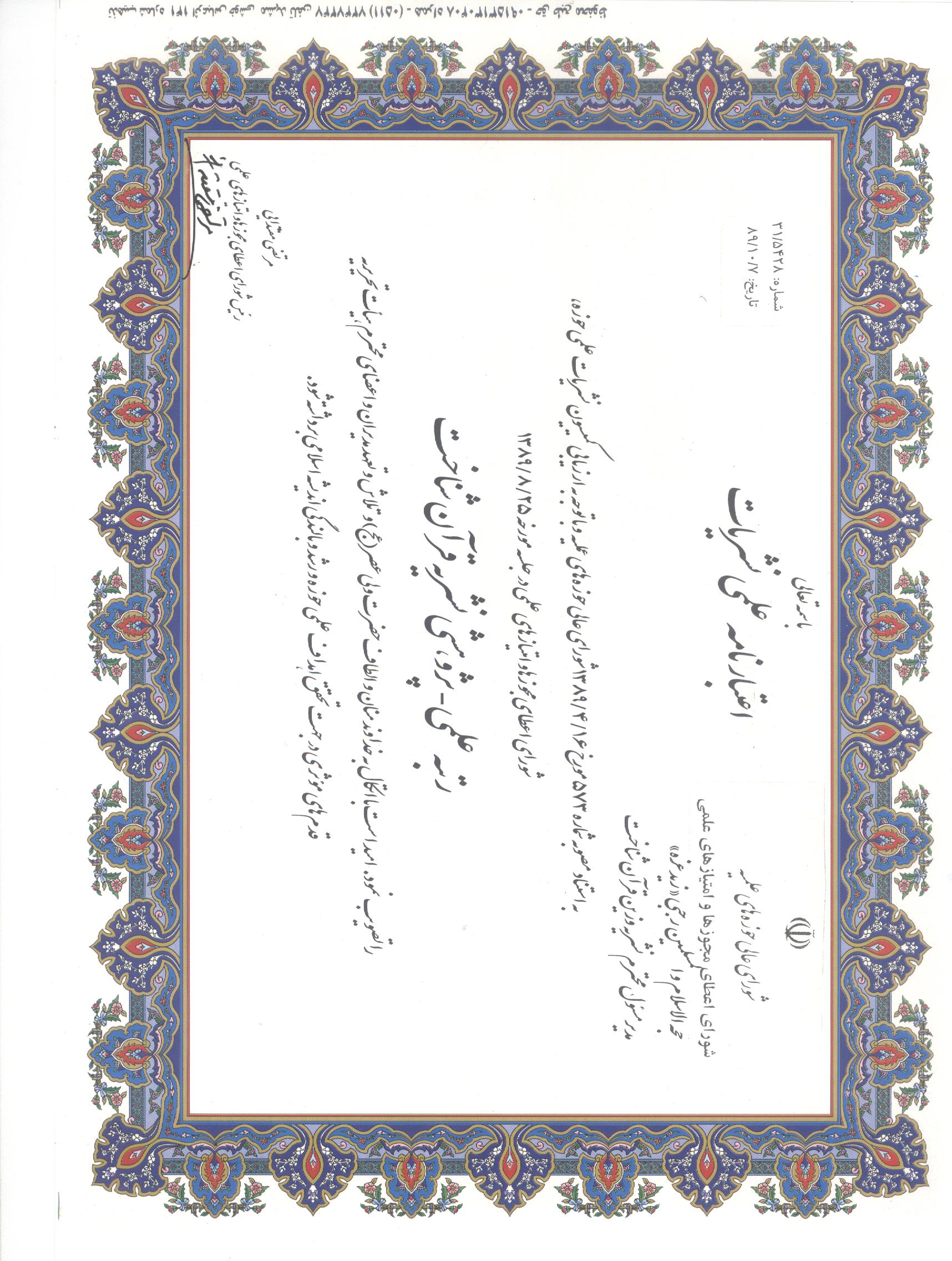
ًQur'an Shinakht, Volume 17, Issue 2, No 33, Year 2024, Pages 103-120
The Relationship between Free Will and Shakelah from the Qur’anic Perspective
Writers:
✍️ Syed Ali Akbar Hoseini / PhD Student of Qur’anic and Hadith Sciences, Imam Khomeini Education and Research Institute / sahoseini91@gmail.com
/ PhD Student of Qur’anic and Hadith Sciences, Imam Khomeini Education and Research Institute / sahoseini91@gmail.comMustafa Karimi / Associate Professor at the Department of Exegesis and Qur’anic Sciences, Imam Khomeini Education and Research Institute / karimi@iki.ac.ir
10.22034/qoranshenakht.2025.2021832⏳
Abstract:
Free will is an important topic in anthropology, and a question has always been raised as to whether humans have authority over their actions or their behaviors are determined. Some Qur’anic verses seem to mean that human acts and behaves based on his/her shakelah and personality. On the other hand, an individual's shakelah is formed according to the very actions and behaviors. This raises the question as to what is the relationship between man’s free will and his/her shakelah. Using the descriptive-analytical method and thematic interpretation of the verses, this research aims to elucidate the relationship between human free will and his/her shakelah from the Qur’anic perspective. Based on this research, voluntary behaviors of individuals contribute to the formation of their personality and shakelah. Through acting righteously, some individuals form a faithful personality, while others develop a corrupt personality through doing wrong actions. Sin, blasphemy, and hypocrisy lead to the corruption of a person's shakelah. On the other hand, the personality shaped by one’s deliberate behaviors also influences their subsequent choices. An individual's shakelah significantly impacts his/her choice of faith or blasphemy, benefiting from divine guidance, and other critical decisions.
چکیده و کلیدواژه فارسی (Persian)
Title :رابطة اختیار و شاکلة انسان از نظر قرآن کریم
Abstract:
اختیار از مباحث مهم انسانشناسی است و همواره این سؤال مطرح بوده که آیا انسان در کارهای خود مختار است یا اینکه بهصورت جبری از هر فردی رفتاری خاص صادر میشود. از ظاهر برخی آیات قرآن برمیآید که اعمال و رفتارهای انسان بر اساس شاکله و شخصیت او انجام میشود. ازسوییدیگر، شاکلة هر فرد بر اساس همان اعمال و رفتارها شکل میگیرد. این پرسش پیش میآید که رابطة اختیار با شاکله چیست؟ هدف از این پژوهش، تبیین رابطة اختیار انسان و شاکلة او از نظر قرآن کریم با استفاده از روش توصیفی ـ تحلیلی و تفسیر موضوعی آیات است. بر اساس تحقیق انجامشده، رفتارهای اختیاری انسان موجب شکلگیری شخصیت و شاکلة او میشود. برخی انسانها با انجام اعمال صالح شاکلهای مؤمنانه برای خود میسازند و برخی از انسانها با انجام اعمال سوء شاکلهای فاسد پیدا میکنند. گناه، کفر و نفاق باعث فساد شاکلة انسان میشود. ازسویدیگر، همین شاکله که برای انسان بر اثر رفتارهای اختیاری او شکل میگیرد، در انتخابهای بعدی او تأثیرگذار است. شاکلة انسان در انتخاب کفر یا ایمان و بهرهگیری از هدایت الهی و دیگر تصمیمات حیاتی مؤثر است.
References:
- قرآن کریم.
- ابندرید، محمد بن حسن (1987م). جمهرة اللغة. بیروت: دار العلم للملایین.
- ابنسیده، علی بن اسماعیل (1421ق). المحکم و المحیط الأعظم. بیروت: دار الکتب العلمیه.
- ابنعاشور، محمدطاهر (1420ق). تفسیر التحریر و التنویر المعروف بتفسیر ابنعاشور. بیروت: مؤسسة التاریخ العربی.
- ابنفارس، احمد بن فارس (1404ق). معجم مقاییس اللغه. قم: مکتب الاعلام الاسلامی.
- ابنمنظور، محمد بن مکرم (1414ق). لسان العرب. بیروت: دار الفکر.
- ازهری، محمد بن احمد (1421ق). تهذیب اللغه. بیروت: دار إحیاء التراث العربی.
- پاینده، ابوالقاسم (1382). نهج الفصاحه. تهران: دنیای دانش.
- جاسبی، عبدالله و محمد نوربخش لنگرودی، محسن (1376). مبانی رفتار انسان از دیدگاه اسلام. آیندهپژوهی مدیریت، 34، 5ـ20.
- جعفری، یعقوب (1376). تفسیر کوثر. قم: هجرت.
- جوادی آملی، عبدالله (۱۳۸۸). تفسیر تسنیم. قم: اسراء.
- حسینی زبیدی، محمدمرتضی (1414ق). تاج العروس من جواهر القاموس. بیروت: دار الفکر.
- راغب اصفهانی، حسین بن محمد (1412ق). مفردات ألفاظ القرآن. دمشق: دار الشامیه.
- رشید رضا، محمد (1414ق). تفسیر القرآن الحکیم الشهیر بتفسیر المنار. بیروت: دار المعرفه.
- رفیعی، حسین و حبیبنژاد، خدیجه (1395). شاکله و رابطۀ آن با اختیار از منظر علامه طباطبائی. همایش ملی واژهپژوهی در علوم اسلامی. دانشگاه یاسوج.
- رضایی اصفهانی، محمدعلی (1387). تفسیر قرآن مهر. قم: پژوهشهای تفسیر و علوم قرآن.
- زحیلى، وهبه (1411ق). التفسیر المنیر فی العقیدة و الشریعة و المنهج. دمشق: دار الفکر.
- زمخشری، محمود بن عمر (1407ق). الکشاف عن حقائق غوامض التنزیل و عیون الأقاویل فی وجوه التأویل. بیروت: دار الکتاب العربی.
- صاحببنعباد، اسماعیل (1414ق). المحیط فی اللغه. بیروت: عالم الکتب.
- طباطبائی، سیدمحمدحسین (1390ق). المیزان فی تفسیر القرآن. بیروت: مؤسسة الأعلمی للمطبوعات.
- طبرسی، فضل بن حسن (1372). مجمع البیان فی تفسیر القرآن. تهران: ناصرخسرو.
- طریحی، فخرالدین بن محمد (1375). مجمع البحرین. تهران: مکتبة المرتضویة.
- فخر رازى، محمد بن عمر (1420ق). التفسیر الکبیر. بیروت: دار إحیاء التراث العربی.
- فضلالله، محمدحسین (1419ق). من وحی القرآن. بیروت: دارالملاک.
- فیروزآبادی، محمد بن یعقوب (1414ق). القاموس المحیط. بیروت: دار الکتب العلمیه، منشورات محمد علی بیضون.
- کلینی، محمد بن یعقوب (1407ق). الکافی. تهران: اسلامیه.
- مصباح یزدی، محمدتقی (1392). انسانشناسی در قرآن. تنظیم و تدوین: محمود فتحعلی. قم: مؤسسة آموزشی و پژوهشی امام خمینی.
- مصباح یزدی، محمدتقی (1397). زینهار از تکبر! شرح بزرگترین خطبة نهجالبلاغه در نکوهش متکبران و فخرفروشان. تنظیم و تدوین: محسن سبزواری. قم: مؤسسة آموزشی و پژوهشی امام خمینی.
- مصطفوی، حسن (1426ق). التحقیق فی کلمات القرآن الکریم. بیروت: دار الکتب العلمیه ـ مرکز نشر آثار علامه مصطفوی.
- مکارم شیرازی، ناصر (1371). تفسیر نمونه. تهران: دار الکتب الإسلامیه.
Copyright © 2024 The Author(s). This article is published under the Creative Commons Attribution-NonCommercial 4.0 International License.
Cite this article:
RIS
Mendeley
BibTeX
APA
MLA
HARVARD
VANCOUVER
Hoseini, Syed Ali Akbar, Karimi, Mustafa. (2024) The Relationship between Free Will and Shakelah from the Qur’anic Perspective. ًQur'an Shinakht, 17(2), 103-120 https://doi.org/10.22034/qoranshenakht.2025.2021832.
Syed Ali Akbar Hoseini; Mustafa Karimi."The Relationship between Free Will and Shakelah from the Qur’anic Perspective". ًQur'an Shinakht, 17, 2, 2024, 103-120
Hoseini, S, Karimi, M.(2024) 'The Relationship between Free Will and Shakelah from the Qur’anic Perspective', ًQur'an Shinakht, 17(2), pp. 103-120