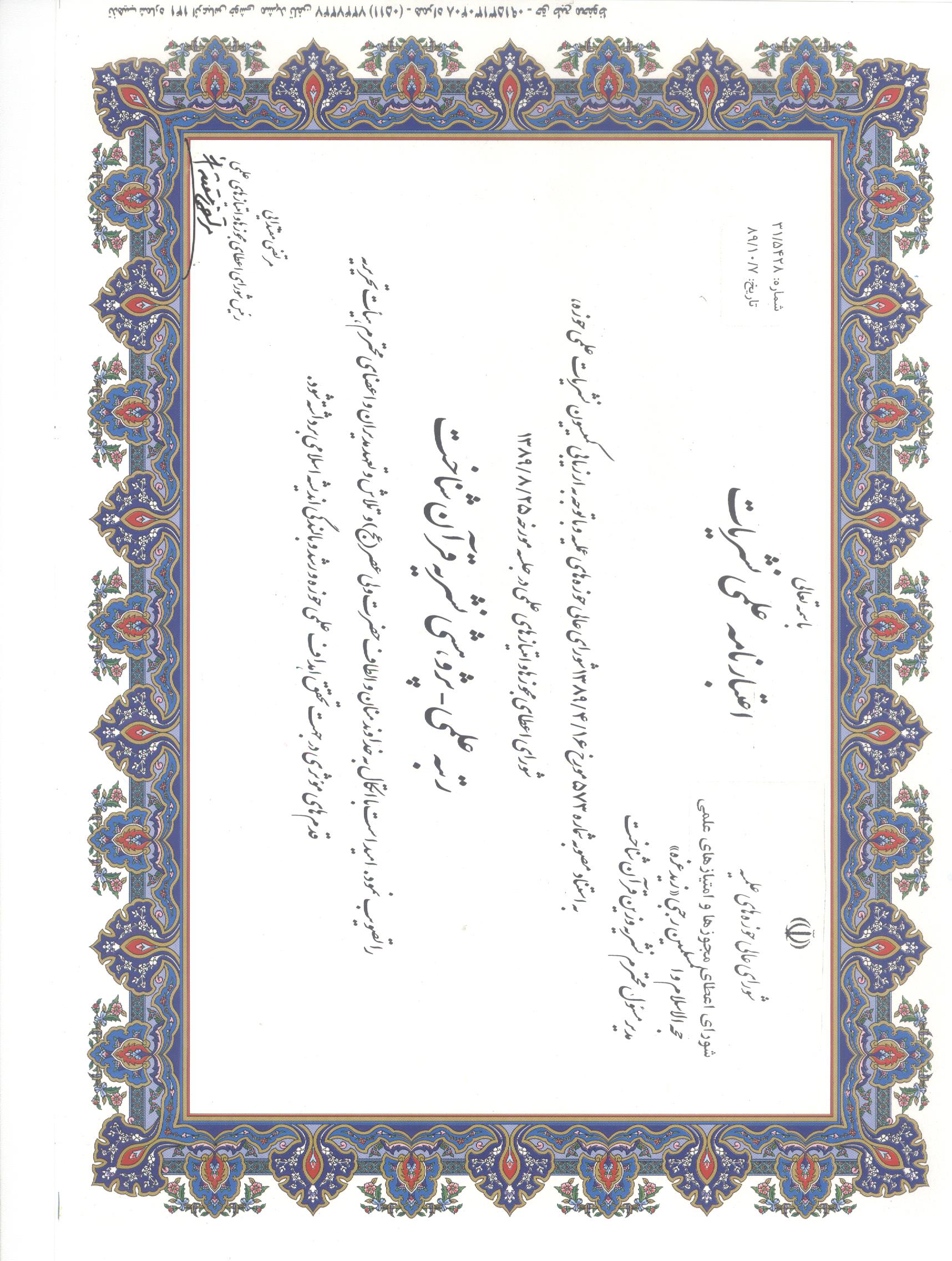
ًQur'an Shinakht, Volume 18, Issue 1, No 34, Year 2025, Pages 155-172
Analysis of the Epistemological Consequences of "Negligence" (Ghaflah) from the Perspective of ʿAllāmah Ṭabāṭabāʾī in Tafsīr al-Mīzān
Article Type:
Research
Writers:
✍️ Reza Ansari-zad / Seminary Instructor and Fourth-Level Student, Qom Seminary, Qom, Iran / ansarizad.reza@gmail.com
Hasan Eslampour Karimi / Assistant Professor, Shahid Mahallati University, Qom, Iran / Eslampur88@gmail.com
10.22034/qoranshenakht.2025.5002514⏳
Abstract:
This study aims to analyze the epistemological consequences of "negligence" (ghaflah) from the viewpoint of ʿAllāmah Ṭabāṭabāʾī in Tafsīr al-Mīzān, examining the effects of negligence upon authentic human knowledge—namely, knowledge of God, self-knowledge, and knowledge of the cognitive faculties—through a library-based research method and content analysis of al-Mīzān. The central problem is to explain how negligence disrupts the three domains of knowledge (theology, self-knowledge, and cognition of the perceptual faculties), a subject that has not yet been systematically examined from the perspective of al-Mīzān. The findings indicate that negligence, through concealment from the encounter with the Lord, failure to comprehend the correlation between God-forgetfulness and self-forgetfulness, and deviation in the cognitive faculties, leads to epistemological deviation. Compared to "ignorance" (jahl), "negligence" is more perilous due to its inattention to existing resources rather than the mere absence of knowledge, and it serves as a foundation for epistemological arrogance, errors in identifying referents, and cognitive veils. The research methodology is qualitative, of a descriptive-analytical type, with data collected from library sources. The results emphasize the importance of overcoming negligence for attaining authentic knowledge and may provide a foundation for examining the behavioral and attitudinal consequences of negligence in subsequent studies.
چکیده و کلیدواژه فارسی (Persian)
Title :تحلیل عوارض معرفتی «غفلت» از منظر علامه طباطبائی در تفسیر المیزان
Abstract:
این پژوهش با هدف تحلیل عوارض معرفتی «غفلت» از دیدگاه علامه طباطبائی در تفسیر المیزان، به بررسی پیامدهای غفلت بر معرفت حقیقی انسان ـ یعنی شناخت خدا، خود و قوای ادراکی ـ با روش مطالعة کتابخانهای و تحلیل محتوای المیزان پرداخته است. مسئلة اصلی، تبیین چگونگی تأثیرگذاری غفلت بر اختلال در ساحتهای سهگانة معرفتی (خداشناسی، خودشناسی و شناخت قوای ادراکی) است که تا کنون بهطور منسجم از منظر المیزان بررسی نشده است. یافتهها نشان میدهند که غفلت از طریق محجوبیت از لقای پروردگار، عدم درک رابطة خدافراموشی و خودفراموشی، و انحراف در قوای ادراکی، به انحراف معرفتی منجر میشود. «غفلت» در مقایسه با «جهل»، بهدلیل بیتوجهی به داشتههای موجود و نه نبودِ علم، خطرناکتر است و زمینهساز استکبار معرفتی، اشتباه در تشخیص مصداق و حجابهای شناختی میشود. روش تحقیق، کیفی از نوع توصیفی ـ تحلیلی با گردآوری دادهها از منابع کتابخانهای است. نتایج بر اهمیت رفع غفلت برای دستیابی به معرفت حقیقی تأکید دارد و میتواند زمینهساز بررسی عوارض رفتاری و گرایشی غفلت در پژوهشهای بعدی باشد.
Keywords:
References:
- قرآن کریم. ترجمة الهی قمشهای.
- ابنمنظور، محمدبنمکرم (1414ق). لسان العرب. بیروت: دار صادر.
- ازهری، محمدبناحمد (1421ق). تهذیب اللغه. بیروت: دار احیاء التراث العربی.
- بستانی، فؤاد (1375). فرهنگ ابجدی. تهران: نشر اسلامی.
- جوادی آملی، عبدالله (1388). تسنیم. قم: اسراء.
- حسینزاده، محمد (1380). مبانی معرفت دینی. قم: مؤسسة آموزشی و پژوهشی امام خمینی(ره).
- حسینزاده، محمد (1390). معرفت بشری: زیرساختها. قم: مؤسسة آموزشی و پژوهشی امام خمینی(ره).
- راغب اصفهانی، حسینبناحمد (1412ق). مفردات ألفاظ القرآن. بیروت: دار القلم.
- رضایی، مهدی (1393). نگاهی معرفتشناختی به یقین در قرآن. معرفت کلامی، 7(2)، 73ـ94.
- طباطبائی، سیدمحمدحسین (1374). المیزان فی تفسیر القرآن. ترجمة محمدباقر موسوی همدانی. قم: دفتر انتشارات اسلامی جامعة مدرسین حوزة علمیة قم.
- طباطبائی، سیدمحمدحسین (1417ق). المیزان فی تفسیر القرآن. قم: دفتر انتشارات اسلامی جامعة مدرسین حوزة علمیة قم.
- فعالی، محمدتقی (1394). معرفتشناسی در قرآن. قم: پژوهشگاه حوزه و دانشگاه.
- فقیهی، سیداحمد (1393). روشهای تربیت اخلاقی در المیزان. قم: مؤسسة آموزشی و پژوهشی امام خمینی(ره).
- قمی، شیخعباس (1387). مفاتیح الجنان. تصحیح: محمدرضا رضوانطلب. قم: آیین دانش.
- کبیری، زهرا و معلمی، حسن (۱۳۸۸). مبانی و شیوههای تربیت اخلاقی در قرآن کریم از دیدگاه علامه طباطبائی. معرفت اخلاقی، ۱(۱)، ۶۷ـ۹۰.
- محمدی ریشهری، محمد (۱۳۶۸). مدیریت اسلامی، شرح صدر، تغافل. پاسدار اسلام، (۸۷)، ۳۶ـ۳۷، قابل بازیابی از: https://www.noormags.ir/view/fa/magazine/number/87
- مصباح یزدی، محمدتقی (1389). مظاهر غفلت در انسان. پاسدار اسلام، (197)، 1ـ10. قابل بازیابی از: https://www.noormags.ir/view/fa/magazine/number/197
- مصباح یزدی، محمدتقی (1391الف). آموزش فلسفه. قم: مؤسسة آموزشی و پژوهشی امام خمینی(ره).
- مصباح یزدی، محمدتقی (1391ب). اخلاق در قرآن. قم: مؤسسة آموزشی و پژوهشی امام خمینی(ره).
- مصباح یزدی، محمدتقی (1396). انسان در قرآن. قم: مؤسسة آموزشی و پژوهشی امام خمینی(ره).
- مصباح یزدی، محمدتقی (1398). انسانسازی در قرآن. قم: مؤسسة آموزشی و پژوهشی امام خمینی(ره).
- منصوری رضی، حسین (1402). پیامدهای روحی و روانی غفلت از خداوند در کلام امیرالمؤمنین(ع). پژوهشهای نهجالبلاغه، (76)، 177ـ191.
- موسی، حسین یوسف (1369). الإفصاح فی فقه اللغه. قم: دفتر تبلیغات اسلامی حوزة علمیة قم.
- ورمزیار، منصور؛ حسینی قلعهبهمن، سیداکبر و گرامی، غلامحسین (۱۴۰۳). بنیانهای هستیشناختی و انسانشناختی نظریة ارزش اخلاقی صدرالمتألهین. معرفت فلسفی، ۲۶(۱)، ۱۹ـ۳۲.
Copyright © 2025 The Author(s). This article is published under the Creative Commons Attribution-NonCommercial 4.0 International License.
Cite this article:
RIS
Mendeley
BibTeX
APA
MLA
HARVARD
VANCOUVER
Ansari-zad, Reza, Eslampour Karimi, Hasan. (2025) Analysis of the Epistemological Consequences of "Negligence" (Ghaflah) from the Perspective of ʿAllāmah Ṭabāṭabāʾī in Tafsīr al-Mīzān. ًQur'an Shinakht, 18(1), 155-172 https://doi.org/10.22034/qoranshenakht.2025.5002514.
Reza Ansari-zad; Hasan Eslampour Karimi."Analysis of the Epistemological Consequences of "Negligence" (Ghaflah) from the Perspective of ʿAllāmah Ṭabāṭabāʾī in Tafsīr al-Mīzān". ًQur'an Shinakht, 18, 1, 2025, 155-172
Ansari-zad, R, Eslampour Karimi, H.(2025) 'Analysis of the Epistemological Consequences of "Negligence" (Ghaflah) from the Perspective of ʿAllāmah Ṭabāṭabāʾī in Tafsīr al-Mīzān', ًQur'an Shinakht, 18(1), pp. 155-172