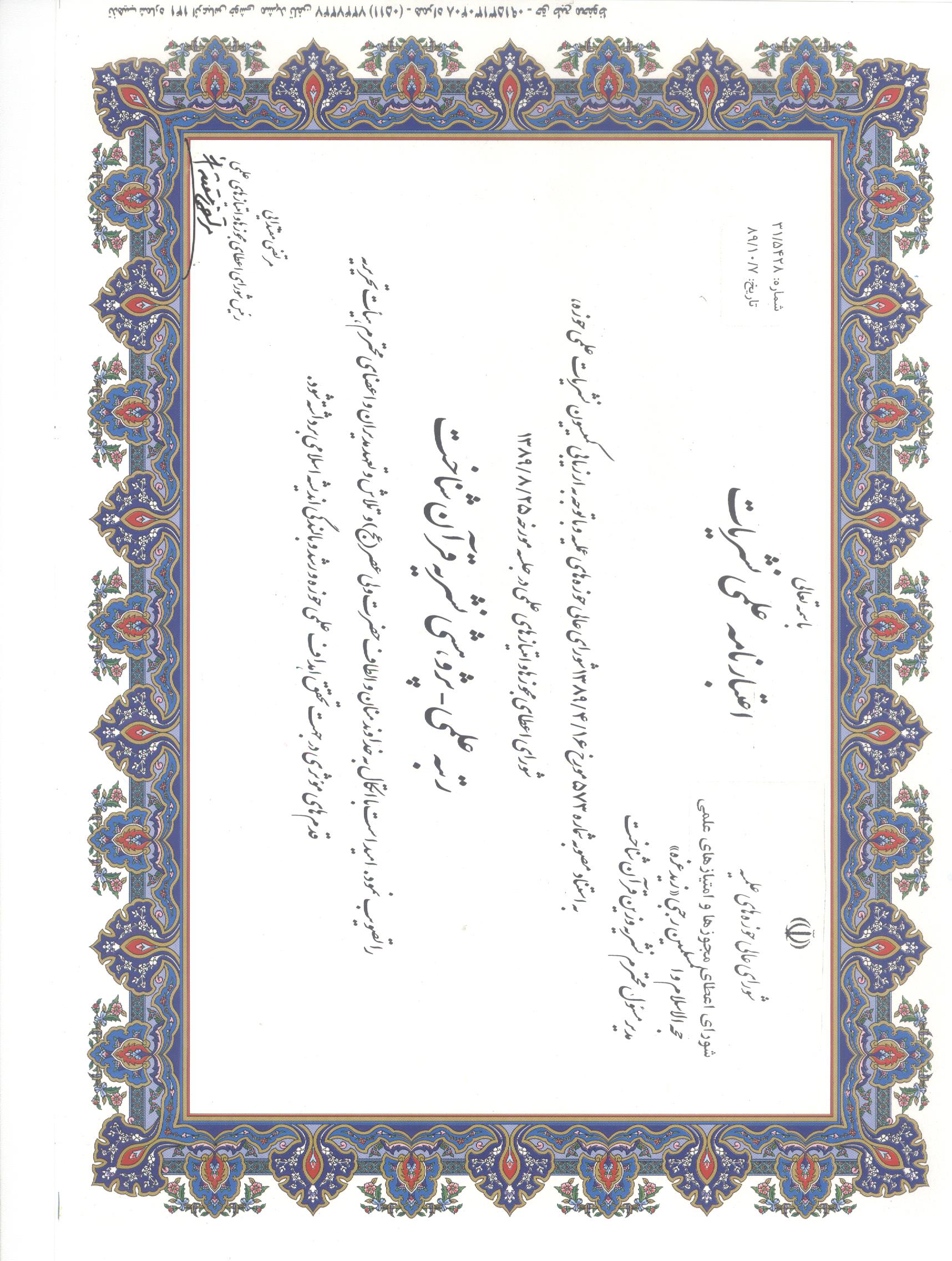
ًQur'an Shinakht, Volume 18, Issue 2, No 35, Year 2025, Pages 161-180
Functions of Belief in the Resurrection in the Self-Regulation of Human Desires from the Qur’anic Perspective
Article Type:
Research
Writers:
✍️ Mojtaba Mostashreq / Doctoral Researcher in Qur’anic Sciences and Hadith, Imam Khomeini Educational and Research Institute / mojtaba.mostashreq@gmail.com
Esmaeeil Soltani / Associate Professor, Department of Exegesis and Qur’anic Sciences, Imam Khomeini Educational and Research Institute / soltani.b@iki.ac.ir
/ Associate Professor, Department of Exegesis and Qur’anic Sciences, Imam Khomeini Educational and Research Institute / soltani.b@iki.ac.ir 10.22034/qoranshenakht.2026.5002835⏳
Abstract:
In addition to its doctrinal status, the Qur’an assigns an important role to belief in the resurrection in the self-regulation of desires and the organization of the human motivational system. The main problem of the research is to explain the functions of belief in the resurrection in the self-regulation of human desires from the Qur’anic perspective. The aim is to extract and explain these functions and to present a conceptual model of the role of belief in the resurrection in guiding human desires. The research uses an analytical-interpretive method and is based on thematic exegesis. In this study, the functions of belief in the resurrection are inferred through the analysis of contextual and conceptual relations among Qur’anic verses and then explained and analyzed using psychological concepts and theories. The findings show that belief in the resurrection plays an effective role in organizing human behavior and motivation through five main functions: restraining base worldly desires, preferring transcendent desires, flourishing transcendent tendencies, directing the desire toward perfection, and presenting an image of true happiness. These functions can be explained using concepts such as self-regulation, cognitive inhibition, intrinsic motivation, goal-oriented orientation, and the reward-punishment system. The results show that the Qur’an presents a two-dimensional model of the functions of belief in the resurrection in the self-regulation of human desires—a model based, on the one hand, on restraining undesirable desires and, on the other, on strengthening and guiding transcendent tendencies.
چکیده و کلیدواژه فارسی (Persian)
Title :کارکردهای معادباوری در خودتنظیمی امیال انسان از منظر قرآن
Abstract:
قرآن برای باور به معاد، افزون بر جایگاه اعتقادی، نقش مهمی در خودتنظیمی امیال و ساماندهی نظام انگیزشی انسان قائل است. مسئلۀ اصلی پژوهش تبیین کارکردهای معادباوری در خودتنظیمی امیال انسان از منظر قرآن است. هدف پژوهش، استخراج و تبیین این کارکردها و ارائه الگویی مفهومی از نقش معادباوری در هدایت امیال انسان است. پژوهش با روش تحلیلی ـ تفسیری و بر پایه تفسیر موضوعی انجام شده است. در این پژوهش، کارکردهای معادباوری از طریق تحلیل روابط سیاقی و مفهومی آیات قرآن استنباط و سپس با بهرهگیری از مفاهیم و نظریههای روانشناسی، تبیین و تحلیل شدهاند. یافتهها نشان میدهد که معادباوری از طریق پنج کارکرد اصلی، شامل: مهار امیال پست دنیوی، ترجیح امیال متعالی، شکوفایی گرایشهای متعالی، جهتدهی میل به کمال و ارائه تصویری از سعادت حقیقی. در ساماندهی رفتار و انگیزش انسان نقش مؤثری ایفا میکند. این کارکردها با بهرهگیری از مفاهیمی همچون خودتنظیمی، بازداری شناختی، انگیزش درونی، جهتگیری هدفمحور و نظام پاداش ـ تنبیه، قابل تبییناند. نتایج پژوهش نشان میدهد که قرآن، الگویی دووجهی از کارکردهای معادباوری در خودتنظیمی امیال انسان ارائه میدهد؛ الگویی که از یکسو بر مهار امیال نامطلوب و از سوی دیگر بر تقویت و هدایت گرایشهای متعالی استوار است.
References:
- قرآن کریم.
- آریان، حمید و گرمابی، هابیل (1399). نقش گرایشهای متعالی در رفتارهای اجتماعی انسان از دیدگاه قرآن. قرآنشناخت، 24، 59-76.
- انصاری، عبدالله (1371). کشف الاسرار و عدة الابرار. چ پنجم. تهران: امیرکبیر.
- ابراهیمی ورکیانی، محمود (1400). نقش معادباوری در سلامت معنوی انسان از منظر قرآن کریم. تفسیرپژوهی، 16(8)، 13-28.
- ابنسینا، حسین بن عبدالله (1953م). رسائل ابنسینا. استانبول: مطبعه ابراهیم خروز.
- برزگر محمدی، رضا و همکاران (1402). بررسی رابطۀ باورهای مذهبی با تنظیم هیجان و تکانشگری در دانش آموزان مقطع متوسطه اول همدان. دین و سلامت، 2 (11)، 22-31.
- برهان، محمدحسین بن خلف (1380). برهان قاطع. تهران: نیما.
- جعفرزاده، فاطمه و نادی، زینب (1397). جایگاه معادباوری در تربیت انسان از دیدگاه ملاصدرا. جشنواره تألیفات علمی برتر علوم انسانی اسلامی (جایزه ویژه علامه جعفری).
- حلی، حسن بن یوسف (1337). ایضاح المقاصد. تهران: دانشگاه تهران.
- دهخدا، علیاکبر (1377). لغتنامه دهخدا. چ دوم. تهران: دانشگاه تهران.
- سامانی، سیدمحمود و نصیری، علی (1389). آثار تربیتی اعتقاد به معاد. مطالعات تفسیری، 4 (1)، 9-34.
- شاهمنصوری، رضا و محمدی منفرد، بهروز (1400). چگونگی استفاده قرآن کریم از مبادی فعل در راستای تعالی انسان در جهت بندگی. قرآنشناخت، 27، ص25-42.
- صلیبا، جمیل (1373). المعجم الفلسفی بالألفاظ العربیة و الفرنسیة و الإنکلیزیة و اللاتینیة. بیروت: الشرکة العالمیة للکتاب.
- طباطبائی، سیدمحمدحسین (1352). المیزان فی تفسیر القرآن. چ سوم. بیروت: مؤسسۀ الاعلمی للمطبوعات.
- طوسی، محمد بن حسن (بیتا). التبیان فی تفسیر القرآن. بیروت: دار احیاء التراث العربی.
- فاضل مقداد، مقداد بن عبدالله (1405ق). ارشاد الطالبین الی نهج المسترشدین. قم: کتابخانه آیتالله مرعشی نجفی.
- کریمی قدوسی، محسن و همکاران (1402). گونههای اثرگذاری هیجان بر گرایشهای انسان از دیدگاه قرآن. قرآنشناخت، 31، 29-48.
- مکارم شیرازی، ناصر و همکاران (1374). تفسیر نمونه. چ سی و دوم. تهران: دار الکتب الاسلامیه.
References:
- Bandura, A. (1991). Social cognitive theory of self-regulation. Organizational Behavior and Human Decision Processes, 50(2), 248–287.
- Barkley, R. A. (1997). ADHD and the Nature of Self-Control. New York: Guilford Press.
- Baumeister, R. F., Vohs, K. D., & Tice, D. M. (2007). The strength model of self-control. Current Directions in Psychological Science, 16(6), 351-355.
- Chen, Z. J.; Cowden, R. G.; Moreira‑Almeida, A.; Breedlove, T.; Kent, B.V., Padgett, R. N; Johnson, B. R.; VanderWeele, T. J (2025). Childhood predictors of belief in life after death across 22 countries. Scientific Reports, 15, 13300.
- Emmons, R. A. (2005). Striving for the sacred: Personal goals, life meaning, and religion. Journal of Social Issues, 61(4), 731–745.
- Fatima, S.; Khan, A.; Riaz, M.; Ali, S. (2025). The impact of religiosity on death anxiety: Mediating role of emotional regulation among Madrassah students. Retrieved from. https://www.researchgate.net/publication/392686169
- Festinger, L. (1957). A Theory of Cognitive Dissonance. Stanford University Press.
- Hofmann, W.; Friese, M.; Strack, F.; (2009). Impulse and self-control from a dual-systems perspective. Perspectives on Psychological Science, 4(2), 162–176.
- McCullough, M. E.; Willoughby, B. L. (2009). Religion, self-regulation, and self-control: Associations, explanations, and implications. Psychological Bulletin, 135(1), 69–93.
- Mischel, W.; Shoda, Y.; Rodriguez, M. L (1989). Delay of gratification in children. Science, 244(4907), 933–938.
- Pargament, K. I. (2002). The bitter and the sweet: An evaluation of the costs and benefits of religiousness. Psychological Inquiry, 13(3), 168–181.
- Ryan, R. M.; Deci, E. L. (2000). Self-determination theory and the facilitation of intrinsic motivation, social development, and well-being. American Psychologist, 55(1), 68–78.
- Snyder, C. R.; Lopez, S. J. (Eds.) (2002). Handbook of Positive Psychology. Oxford University Press.
- Tangney, J. P.; Stuewig, J.; Mashek, D. J. (2007). Moral emotions and moral behavior. Annual Review of Psychology, 58, 345–372.
Copyright © 2025 The Author(s). This article is published under the Creative Commons Attribution-NonCommercial 4.0 International License.
Cite this article:
RIS
Mendeley
BibTeX
APA
MLA
HARVARD
VANCOUVER
Mostashreq, Mojtaba, Soltani, Esmaeeil. (2025) Functions of Belief in the Resurrection in the Self-Regulation of Human Desires from the Qur’anic Perspective. ًQur'an Shinakht, 18(2), 161-180 https://doi.org/10.22034/qoranshenakht.2026.5002835.
Mojtaba Mostashreq; Esmaeeil Soltani." Functions of Belief in the Resurrection in the Self-Regulation of Human Desires from the Qur’anic Perspective". ًQur'an Shinakht, 18, 2, 2025, 161-180
Mostashreq, M, Soltani, E.(2025) ' Functions of Belief in the Resurrection in the Self-Regulation of Human Desires from the Qur’anic Perspective', ًQur'an Shinakht, 18(2), pp. 161-180