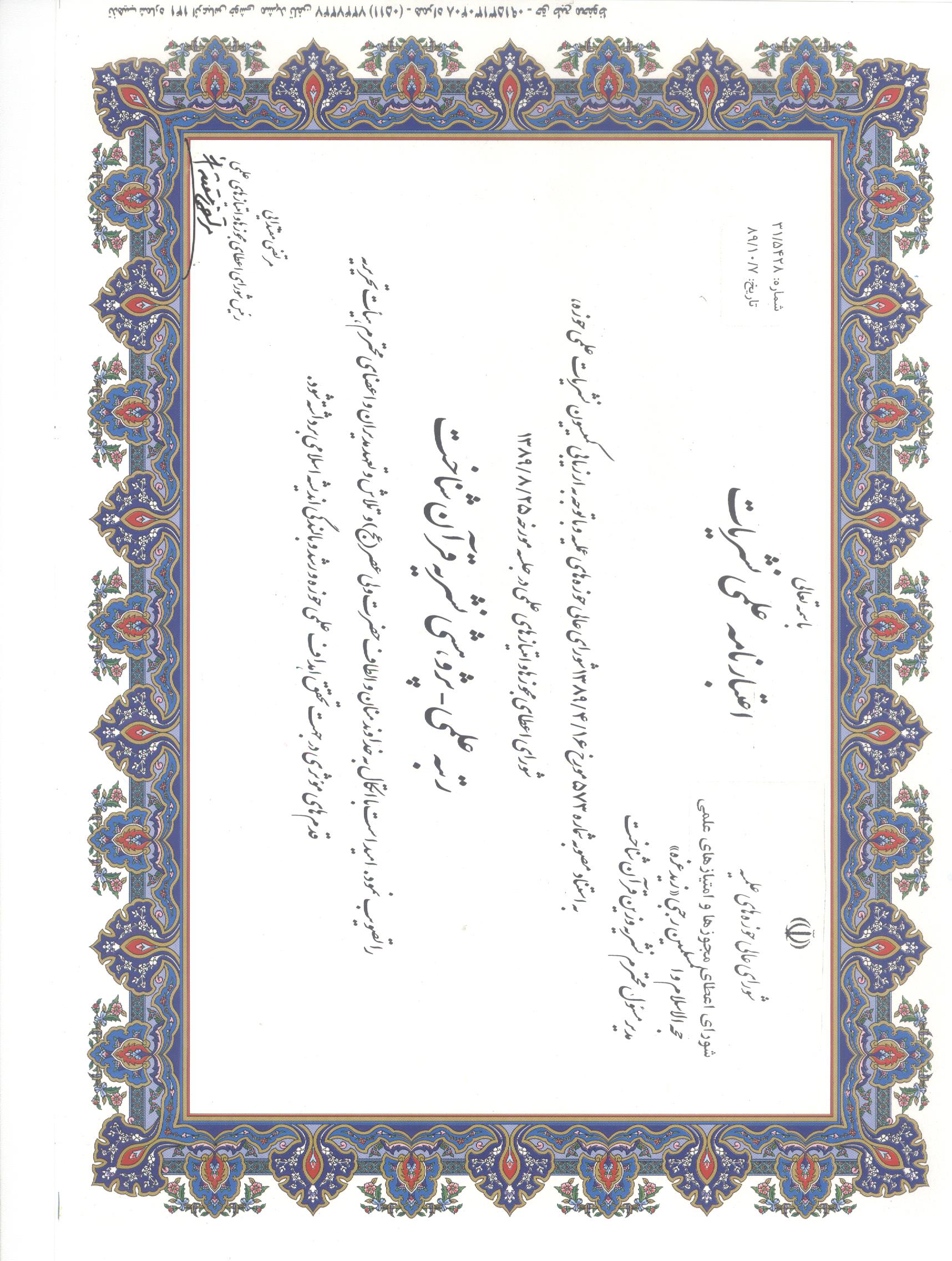
ًQur'an Shinakht, Volume 18, Issue 1, No 34, Year 2025, Pages 173-189
A Critical Analysis of ʿAllāmah Ṭabāṭabāʾī's Exegesis of "Wurūd" in the Verse "In minkum illā wāriduhā"
Article Type:
Research
Writers:
✍️ Majid majid shams kolahi / Assistant Professor, Department of Exegesis and Quranic Sciences, Imam Khomeini Educational and Research Institute, Qom, Iran / shams@iki.ac.ir
Abuzar Tashakori saleh / Assistant Professor, Department of Exegesis and Quranic Sciences, Imam Khomeini Educational and Research Institute, Qom, Iran / tashakori@iki.ac.ir
/ Assistant Professor, Department of Exegesis and Quranic Sciences, Imam Khomeini Educational and Research Institute, Qom, Iran / tashakori@iki.ac.ir 10.22034/qoranshenakht.2026.5003620⏳
Abstract:
Verse 71 of Sūrat Maryam, with the phrase "In minkum illā wāriduhā" (There is none of you but will come to it), is among the challenging verses in the domain of Quranic exegesis. Regarding the meaning of "wurūd" in this verse, two perspectives have emerged among exegetes: some interpret it as "overseeing" or "approaching" Hell without entering it, while others understand it as "entering" Hell. ʿAllāmah Ṭabāṭabāʾī, relying on the lexical signification of "wurūd" and parallel verses, interprets "wurūd" as mere "overseeing" and denies its signification of "entering" in this verse. This study, employing content analysis, examines and critiques the aforementioned arguments. According to the research findings, the term "wurūd" signifies absolute presence, encompassing both overseeing and entering; however, in verses 71 and 72 of Sūrat Maryam, based on the presented evidence, the signification of "wurūd" as "entering" is determined. Conversely, if "wurūd" is presumed to mean "overseeing without entering," maintaining the contextual coherence of these verses would necessitate the assumption of implicit elements lacking any verbal or contextual indication. The novelty of this research lies in its methodical critique of the lexical-contextual view and the Quranic documentation of al-Mīzān regarding the interpretation of verse 71 of Sūrat Maryam, and in its defense of the apparent meaning of this verse without recourse to hypothetical implicit additions.
چکیده و کلیدواژه فارسی (Persian)
Title :واکاوی انتقادی تفسیر علامه طباطبائی از «ورود» در آیۀ «وَإِنْ مِنْکُمْ إِلَّا وَارِدُهَا»
Abstract:
آیۀ ۷۱ سورۀ مریم با عبارت «وَإِنْ مِنْکُمْ إِلَّا وَارِدُهَا» از آیات چالشبرانگیز حوزۀ تفسیر قرآن کریم است. دربارۀ معنای «ورود» در این آیه، دو دیدگاه میان مفسران شکل گرفته: گروهی آن را بهمعنای اشراف بر جهنم بدون دخول و برخی بهمعنای دخول در جهنم دانستهاند. علامه طباطبائی با استناد به دلالت لغوی «ورود» و آیات متناظر، «ورود» را بهمعنای صِرف اشراف دانسته و دلالت «ورود» بر «دخول» را در این آیه نفی کرده است. این پژوهش با روش تحلیل محتوا به بررسی و نقد ادلۀ مذکور پرداخته است. طبق نتایج پژوهش، واژۀ «ورود» بر مطلق حضور دلالت دارد و جامع میان اشراف و دخول است؛ اما در آیات ۷۱ و ۷۲ سورۀ مریم، با توجه به ادلۀ ارائهشده، دلالت «ورود» بر معنای «دخول» متعین میگردد. در مقابل، اگر «ورود» بهمعنای «اشراف بدون دخول» فرض شود، برای حفظ انسجام سیاقی این آیات ناگزیر باید تقدیرهایی مفروض گرفت که فاقد قرینۀ لفظی و سیاقی است. نوآوری این پژوهش در نقد روشمند دیدگاه لغوی ـ سیاقی و مستندات قرآنیِ المیزان در تفسیر آیۀ ۷۱ سورۀ مریم و دفاع از معنای ظاهر این آیه بدون نیاز به تقدیر است.
References:
- قرآن کریم.
- ابنعاشور، محمدطاهر (1420ق). تفسیر التحریر و التنویر المعروف بتفسیر ابن عاشور. بیروت: مؤسسة التاریخ العربی.
- ابنسیده، علىبناسماعیل (1421ق). المحکم والمحیط الأعظم. بیروت: دار الکتب العلمیه.
- ابنمنظور، محمدبنمکرم (1414ق). لسان العرب. بیروت: دار صادر.
- ازهرى، محمدبناحمد (1421ق). تهذیب اللغه. بیروت: دار احیاء التراث العربی.
- رشتى، حبیباللهبنمحمدعلى (1412ق). بدائع الأفکار. قم: مؤسسة آلالبیت(ع).
- زبیدى، محمدبنمحمد مرتضى (1414ق). تاج العروس من جواهر القاموس. بیروت: دار الفکر.
- طباطبائى، سیدمحمدحسین (1390ق). المیزان فی تفسیر القرآن. بیروت: مؤسسة الأعلمی للمطبوعات.
- طریحى، فخرالدینبنمحمد (1375). مجمع البحرین. تهران: مرتضوی.
- عارفی پشى، على (1374). البدایة فی توضیح الکفایة. تهران: نیایش.
- فیض کاشانى، محمدمحسنبنشاهمرتضى (1406ق). الوافی. اصفهان: مکتبة الامام امیرالمؤمنین علی(ع) العامه.
- فیومى، احمدبنمحمد (1414ق). المصباح المنیر فى غریب الشرح الکبیر للرافعى.. قم: مؤسسة دار الهجرة.
- مدنى، علیخانبناحمد (1384). الطراز الأول والکناز لما علیه من لغة العرب المعول. مشهد: مؤسسة آلالبیت(ع) لاحیاء التراث.
- مطرزى، ناصربنعبدالسید (1979م). المغرب فى ترتیب المعرب. حلب: مکتبة اسامةبنزید.
- موسوی خمینى، سیدروحالله (1382). شرح حدیث جنود عقل و جهل. قم: مؤسسة تنظیم و نشر آثار امام خمینى(ره).
- موسوی خمینى، سیدروحالله (1389). صحیفة امام. قم: مؤسسة تنظیم و نشر آثار امام خمینی(ره).
Copyright © 2025 The Author(s). This article is published under the Creative Commons Attribution-NonCommercial 4.0 International License.
Cite this article:
RIS
Mendeley
BibTeX
APA
MLA
HARVARD
VANCOUVER
majid shams kolahi, Majid, Tashakori saleh, Abuzar. (2025) A Critical Analysis of ʿAllāmah Ṭabāṭabāʾī's Exegesis of "Wurūd" in the Verse "In minkum illā wāriduhā". ًQur'an Shinakht, 18(1), 173-189 https://doi.org/10.22034/qoranshenakht.2026.5003620.
Majid majid shams kolahi; Abuzar Tashakori saleh."A Critical Analysis of ʿAllāmah Ṭabāṭabāʾī's Exegesis of "Wurūd" in the Verse "In minkum illā wāriduhā"". ًQur'an Shinakht, 18, 1, 2025, 173-189
majid shams kolahi, M, Tashakori saleh, A.(2025) 'A Critical Analysis of ʿAllāmah Ṭabāṭabāʾī's Exegesis of "Wurūd" in the Verse "In minkum illā wāriduhā"', ًQur'an Shinakht, 18(1), pp. 173-189