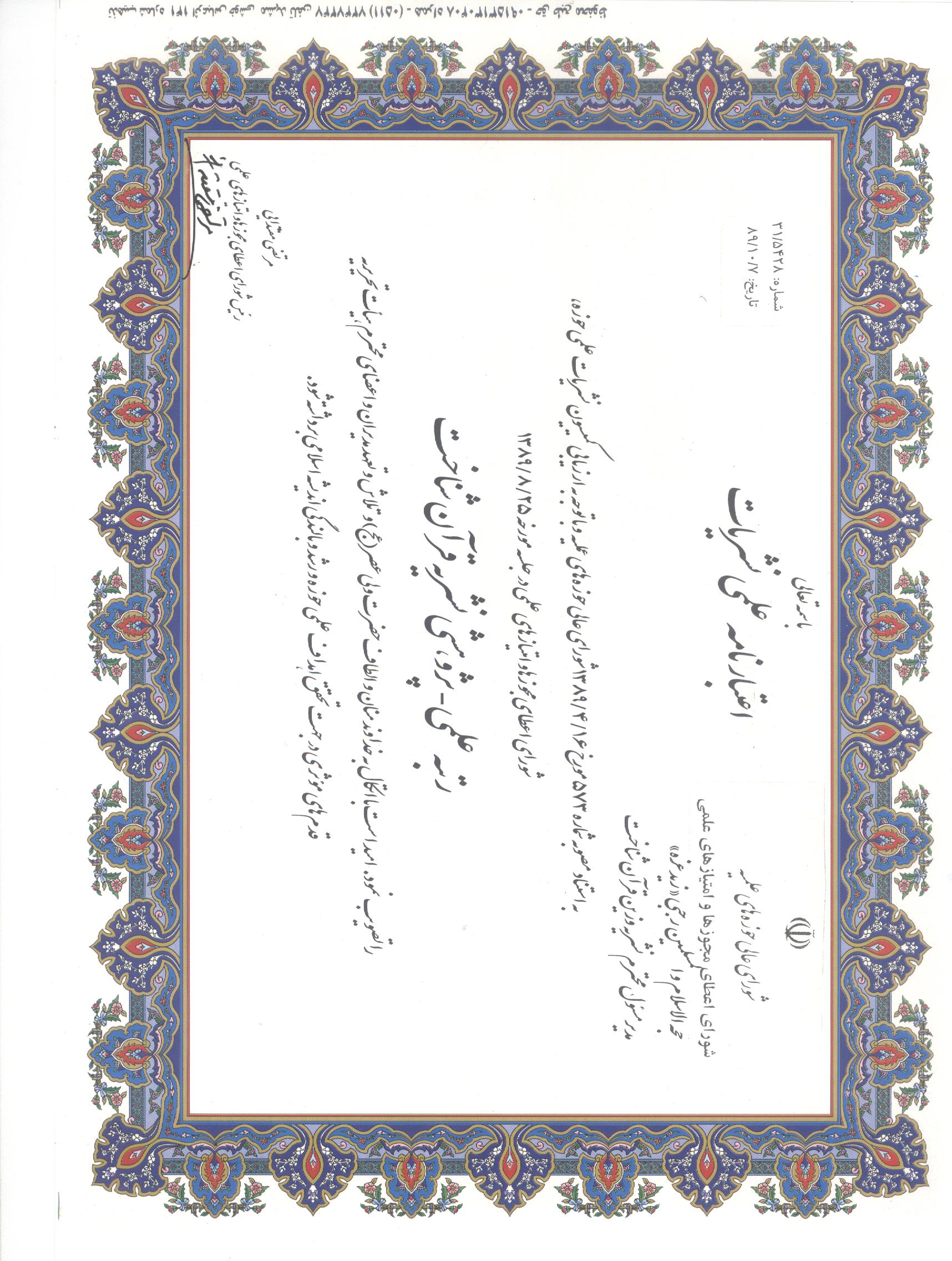
Volume 13, Issue 1, No 24, Year 2021, Pages 5-22
The Principles of the Quran-Based Ijtihad according to Allameh Tabatabai's View
Article Type:
Research
Writers:
Mohammad / Associate Professor, the Department of Quranic and Hadith Sciences, Hawzah and University Research Center / masadi@rihu.ac.ir
Abstract:
Based on common interpretive methods and trends, the method of comprehensive ijtihad interpretation assumes a special analysis and definition, and based on its goals and objectives , it has special theoretical and practical principles. Through focusing on the Qur'anic method - according to the relatively successful work done by Allameh Tabatabai in Al-Mizan - the method of ijtihad interpretation of the Qur'an can be defined. The most prominent principles of this interpretation can be followed in three categories: A) Theoretical principles (theoretical foundations) including: 1. The special realm of interpretation compared to other Qur'anic-religious sciences; 2. The centrality of the Qur'an among the other epistemological sources of religion; 3. The internal consistency and harmony of the Quranic verses; 4. The authority of the Qur'an compared to other areas of human knowledge; B) Practical principles (general rules) including: 1. Establishing the authority and validity of the Qur'anic method in the light of the narrations and practical life of the infallible; 2. Searching for the versus with the same verbal and semantic content; 3. Finding the key and general principles governing the concepts and teachings of the Qur'an; 4. Attention to the contextual evidence of the Qur'an; 5. Investigating the coherence of the corresponding verses (firm and similar, general and specific, absolute and limited, concise and explicit, and abrogated and copied); 6. Paying attention to the principles of semantic development in the concepts of the Qur'an; and c) the ultimate principles in the general sense of interpretation in the service of religious guidance.
چکیده و کلیدواژه فارسی (Persian)
Title :اصول روش اجتهادی قرآنمحور در قرائت علامه طباطبایی
Abstract:
روش تفسیر اجتهادی جامع، به اقتضای روش ها و گرایش های تفسیری رایج، می تواند تحلیل و تعریف خاص خود را بیابد و حسب غایات و مقاصد خویش، اصول نظری و عملی ویژه ای داشته باشد؛ از جمله با محوریت روش قرآن گرایانه ـ با الهام از تجربه نسبتاً موفق علامه طباطبایی در المیزان ـ می توان روش تفسیر اجتهادی قرآن محور را تعریف کرد. برجسته ترین اصول این تفسیر را می توان در سه دسته دنبال کرد: الف) اصول نظری (مبانی نظری) شامل: 1. قلمرو خاص تفسیر نسبت به دیگر دانش های دینی قرآنی؛ 2. محوریت قرآن در میان منابع معرفتی دین؛ 3. سازگاری و همخوانی درونی آیات قرآن؛ 4. مرجعیت قرآن نسبت به معرفت های انسانی؛ ب) اصول عملی (قواعد کلی) شامل: 1. تثبیت حجیت و اعتبار روش قرآن گرایانه در پرتو ادله روایی و سیره عملی معصومان؛ 2. جست وجوی آیات هم مضمون به لحاظ لفظی و معنایی؛ 3. یافتن اصول کلیدی و کلی حاکم بر مفاهیم و معارف قرآن؛
4. اهتمام به قرائن سیاقی قرآنی؛ 5. انسجام یابی آیات متناظر (محکم و متشابه، عام و خاص، مطلق و مقید، مجمل و مبین، و منسوخ و ناسخ)؛ 6. توجه به اصول توسعهی دلالی در مفاهیم قرآن؛ و ج) اصول غایی با عنوان عام تفسیر در خدمت هدایت های دینی.
References:
- ابراهيم انيس و...، بيتا، المعجم الوسيط، تهران، ناصرخسرو.
- ابن اثير، مبارک بن محمد، 1367، النهايه في غريب الحديث و الاثر، قم، اسماعيليان.
- استرآبادى، محمدامين، بيتا، الفوائد المدنية، بيجا، دار النشر لاهل البيت.
- اسعدى، محمد، 1385، سايهها و لايههاى معنايى، قم، بوستان كتاب.
- اسعدي، محمد و سيدمحمود طيبحسيني، 1390، پژوهشي در محكم و متشابه، قم، پژوهشگاه حوزه و دانشگاه.
- اسعدي، محمد و محمدتقي دياري، 1389، مدخل تفسير قرآن به قرآن، دايرة المعارف قرآن کريم، قم، بوستان کتاب.
- اشرفي، اميررضا و اکبر ساجدي، 1391، «تأملي دوباره در نظريه استقلال دلالي قرآن»، قرآنشناخت، ش10، ص27-46.
- اشرفي، اميررضا، 1397، مباني تفسيري علامه طباطبايي در تفسير الميزان، قم، مؤسسه آموزشي و پژوهشي امام خميني.
- بابايى، علىاكبر و همكاران، 1379، روششناسى تفسير قرآن، قم، پژوهشكده حوزه و دانشگاه.
- بابايى، علىاكبر، 1381، مكاتب تفسيرى، قم، پژوهشكده حوزه و دانشگاه.
- ـــــ ، 1377، «باطن قرآن کريم»، معرفت، ش 26.
- بهشتي، ابراهيم، 1390، اخباريگري (تاريخ و عقايد)، قم، دار الحديث.
- تهانوي، محمد، 1996، موسوعة كشاف اصطلاحات الفنون، بيروت، مکتبة لبنان.
- جوادى آملى، عبدالله، 1379، تسنيم، قم، اسراء.
- ـــــ ، 1377، تفسير موضوعي، قم، اسراء.
- ـــــ ، 1383، «سيرة تفسيري مرحوم علامه طباطبايي»، پژوهه، ش 8.
- حرّ عاملى، محمد، 1412، وسائل الشيعه، قم، مؤسسة آلالبيت.
- حلى، ابن ادريس، بيتا، السرائر، قم، مؤسسة النشر الاسلامي.
- حويزى، عبد على، 1412، تفسير نور الثقلين، قم، مؤسسه اسماعيليان.
- خامهگر، محمد، پايگاه تخصصي تفسير قرآن به قرآن به آدرس: https://www.quranbequran.ir
- خراساني، محمدكاظم، 1418، كفاية الاصول، قم ، مؤسسه آلالبيت.
- ذهبى، محمدحسين، 1396، التفسير و المفسرون، مصر، دار الكتب الحديثه.
- راد، علي، 1395، غرر قرآن از نظريه تا تفسير، قم، دار الحديث.
- رحيمي، مرتضي، 1389، «تطور اجتهاد»، علامه، ش 29.
- شاطبى، ابواسحق، بيتا، الموافقات، بيروت، دار الكتب العلميه.
- شافعى، محمد بن ادريس، بيتا، الرساله، بيروت، دار الفكر.
- شريف مرتضي، 1363، الذريعة الي اصول الشريعه، تهران، دانشگاه تهران.
- صدر، سيدمحمدباقر، 1410، دروس فى علم الاصول، قم، مؤسسه النشر الاسلامى.
- طباطبايى، سيدمحمدحسين، بيتا، الميزان، قم، جامعه مدرسين.
- طوسى، محمد بن حسن، 1403، عدة الأصول، قم، مؤسسة آلالبيت.
- عاملي، جعفر مرتضي، 1410، حقائق هامه حول القرآن الکريم، قم، مؤسسه النشر الاسلامي.
- عليپور، مهدي و حميدرضا حسني، 1389، پارادايم اجتهادي دانش ديني، قم، پژوهشگاه حوزه و دانشگاه.
- عميد زنجاني، عباسعلي، 1387، مباني و روشهاي تفسيري، تهران، وزارت فرهنگ و ارشاد اسلامي.
- عياشى، محمد بن مسعود، بيتا، التفسير، بىجا، المكتبة العلمية الاسلامية.
- غزالي، بيتا، المستصفي، بيروت، دار الفكر.
- فضل بن شاذان، 1402، الإيضاح، بيروت، مؤسسه الاعلمى للمطبوعات.
- قائمينيا، عليرضا، 1393، بيولوژي نص، قم، پژوهشگاه فرهنگ و انديشه اسلامي.
- ـــــ ،1390، معناشناسي شناختي قرآن، قم، پژوهشگاه فرهنگ و انديشه اسلامي.
- كلينى، محمد بن يعقوب، 1413، الكافى، بيروت، دار الأضواء.
- مجلسى، محمدباقر، 1413، بحار الانوار، بيروت، دار الاضواء.
- محقق حلي، جعفر بن الحسن، بيتا، معارج الأصول، قم، مؤسسة آلالبيت.
- معرفت، محمدهادى، 1418، التفسير و المفسرون، مشهد، الجامعة الرضوية للعلوم الاسلامية.
- معزى ملايرى، اسماعيل، 1413، جامع احاديث الشيعة، قم، مصحف.
- معين، محمد، 1371، فرهنگ فارسي، تهران، اميركبير.
- موسوي خمينى، سيدروحالله،1410، الرسائل، قم، اسماعيليان.
- ـــــ ، 1366، آداب الصلاة، چ دوم، به اهتمام سيداحمد فهري، مشهد، آستان قدس رضوي.
- ـــــ ، 1375، تفسير سوره حمد، چ دوم، تهران، مؤسسه تنظيم و نشر آثار امام خميني.
- ـــــ ، 1382، تهذيب الاصول، قم اسماعيليان.
- نصرى، عبدالله، 1381، راز متن، تهران، آفتاب توسعه.
- نيازي، شهريار، 1382، «ايزوتسو و معنيشناسي قرآن». سخنگوي شرق و غرب، مجموعه مقالات همايش بزرگداشت پروفسور توشيهيکو ايزوتسو، به کوشش شهرام يوسفيفر، تهران، دانشگاه تهران، مؤسسه تحقيقات و توسعه علوم انساني
Copyright © 2021 The Author(s). This article is published under the Creative Commons Attribution-NonCommercial 4.0 International License.
Cite this article:
RIS
Mendeley
BibTeX
APA
MLA
HARVARD
VANCOUVER
, Mohammad. (2021) The Principles of the Quran-Based Ijtihad according to Allameh Tabatabai's View. , 13(1), 5-22
Mohammad ."The Principles of the Quran-Based Ijtihad according to Allameh Tabatabai's View". , 13, 1, 2021, 5-22
, M.(2021) 'The Principles of the Quran-Based Ijtihad according to Allameh Tabatabai's View', , 13(1), pp. 5-22