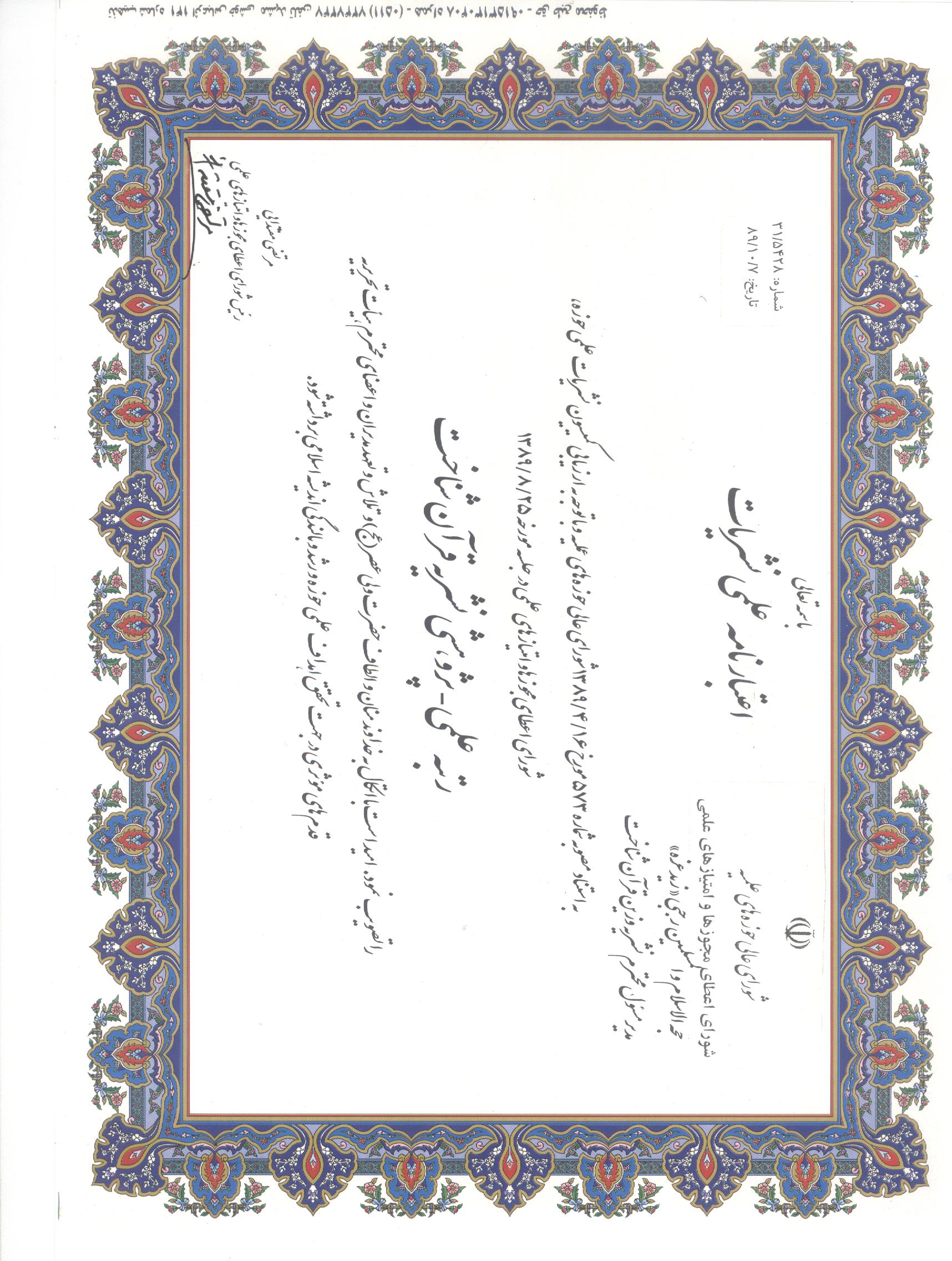
Volume 13, Issue 1, No 24, Year 2021, Pages 23-38
Reviewing the Concept of "Qardh al-Hasan" in the Holy Qur'an
Article Type:
Research
Writers:
✍️ Seyed Mahmoud tayyeb hoseini / Associate Professor of the Department of Qur'anic Sciences and Hadith, Hawzeh and University Research Center / tayyebhoseini@rihu.ac.ir
/ Associate Professor of the Department of Qur'anic Sciences and Hadith, Hawzeh and University Research Center / tayyebhoseini@rihu.ac.irMotahhareh sadat / MA in Qur'anic Sciences and Hadith, Farabi Campus, the University of Tehran
Abstract:
Qardh al-hasan (benevolent lending)" is an important Qur'anic concept about social relations in an Islamic society. The Quran mentions the adjectival expression of " Qardh al-hasan " six times and the verbs indicating the action of benevolent lending twelve times. Using an analytical method, this paper seeks to analyze this concept in Arabic culture and the Qur'an, and evaluate the relationship between this Qur'anic concept, people's understanding and the view of commentators. The result of the research shows that in terms of concept, " Qardh al-hasan " includes all kinds of good interactions with others, and " Qardh al-hasan to God" includes any kind of God-pleasing deed, but in the context of the Qur'an, it is used only about God, and in all its usages, the believers have been ordained and encouraged to offer financial aid to the Prophet in order to defend the religion and the Islamic society, spread the religion or obey the Prophet. Based on the narrations of the Prophet's household, this Qur'anic concept has been interpreted as giving property to the infallible Imams, and it can be generalized to financial aid to the qualified Muslim jurists or the Muslim ruler (Wali faqih) in order to achieve the mentioned two goals in the time of Imam Mahdi’s occultation
چکیده و کلیدواژه فارسی (Persian)
Title :بازکاوی مفهوم «قرض حسن» در قرآن مجید
Abstract:
یکی از مفاهیم قرآنی که جایگاه ویژه ای در میان مفاهیم ناظر بر روابط اجتماعی میان مسلمانان در جامعه اسلامی دارد، مفهوم «قرض حسن» است. ترکیب وصفی «قرضاً حسناً» شش بار، و با فعل آن از باب اِفعال مجموعاً دوازده بار در قرآن مجید آمده است. مقاله حاضر درصدد است با روش تحلیلی، به واکاوی این مفهوم در فرهنگ عرب و قرآن بپردازد و رابطه این مفهوم قرآنی را با تلقی عمومی و دیدگاه مفسران از آن ارزیابی کند. حاصل پژوهش آن است که «قرض حسن» از نظر مفهوم، انواع تعامل نیک با دیگران را شامل می شود، و «قرض حسن به خدا» هر نوع عمل خداپسندانه را دربر می گیرد؛ اما در بافت قرآن مجید صرفاً درباره خدا به کار رفته است و در همه موارد کاربردش، مؤمنان با این تعبیر، به کمک های مالی به پیامبر صلی الله علیه و آله وسلم به منظور دفاع از دین و جامعه اسلامی یا گسترش دین در زمین یا اطاعت از پیامبر صلی الله علیه و آله وسلم سفارش و تشویق شده اند. در روایات اهل بیت علیهم السلام نیز این مفهوم قرآنی به تقدیم مال به امامان معصوم علیهم السلام با همان دو هدف یادشده تفسیر شده است، که در عصر غیبت قابل تعمیم به کمک های مالی به فقیهان جامع الشرایط یا حاکم مشروع (ولی فقیه) به منظور تحقق همان دو هدف است.
References:
- آلوسي، محمود، 1415ق، روح المعاني في تفسير القرآن العظيم، بيروت، دار الکتب العلميه.
- ابن بابويه، محمد بن علي، 1413ق، من لا يحضره الفقيه، بيچا، قم، دفتر انتشارات اسلامى.
- ابن فارس، احمد، 1404ق، معجم مقاييس اللغه، قم، مکتب الاعلام الاسلامي.
- ابن منظور، جمالالدين، 1426ق، لسان العرب، بيروت، مؤسسه الأعلمي المطبوعات.
- ابنكثير، اسماعيل بن عمر، 1419ق، تفسير القرآن العظيم، بيروت، دار الكتب العلمية.
- ازهري، محمدبن احمد، بيتا، تهذيب اللغه، بيچا، بيروت، دار احياء التراث النبوي.
- اشكورى، محمد بن على، 1373، تفسير شريف لاهيجى، تهران، داد.
- امين، نصرت بيگم، بيتا، تفسير مخزن العرفان، بيجا، بينا.
- بحرانى، هاشم بن سليمان، 1415ق، البرهان في تفسير القرآن، قم، مؤسسة البعثة.
- بلاغي، عبدالحجة، 1386ق، حجة التفاسير و بلاغ الاکسير، قم، حکمت.
- بنت الشاطي، عايشه، 1404ق، الاعجاز البياني للقرآن و مسائل نافع ابن ازرق، بيچا، قاهره، دار المعارف.
- پويان، مرتضي، 1393، پژوهشي در باب قرضالحسنه در اسلام، تهران، سازمان تبليغات اسلامي.
- ثقفى تهرانى، محمد، 1398، روان جاويد در تفسير قرآن مجيد، چ دوم، تهران، برهان.
- جرجاني، ابوالفتح بن مخدوم، 1362، تفسير شاهي، تهران، نويد.
- جوهري، اسماعيل بن حمار، 1376ق، الصحاح تاج اللغه و صحاح العربيه، قاهره، دار العلم الملايين.
- خولي، امين، 1961م، مناهج تجديد، بيجا، دار المعرفه.
- رازي، فخرالدين،1420ق، مفاتيح الغيب، بيچا، بيروت، دار احياء التراث العربي.
- راغب اصفهاني، حسين بن محمد، 1424ق، مفردات الفاظ القرآن الکريم، چ سوم، قم، ذوي القربي.
- رشيدرضا، محمد، 1414ق، تفسير القرآن الحکيم الشهير بتفسير المنار، بيچا، بيروت، دار المعرفه.
- زرکشي، محمدبن بهادر، 1410ق، البرهان في علوم القرآن، بيروت، دار المعرفه.
- زمخشري، محمود بن عمر، 1414ق، الفائق في غريب الحديث، بيچا، بيروت، دار الفکر.
- ـــــ ، 1407ق، الکشاف عن حقايق غوامض التنزيل، چ سوم، بيروت، دار الکتاب العربي.
- سيدبن قطب، 1424ق، في ظلال القرآن، چ پانزدهم، بيروت، دار الشروق.
- طباطبايي، سيدمحمدحسين، 1427ق، تفسير البيان فى الموافقة بين الحديث و القرآن، بيروت، دار التعارف للمطبوعات.
- ـــــ ، 1390ق، الميزان في تفسير القرآن، چ دوم، بيروت، مؤسسة الأعلمي للمطبوعات.
- طبراني، سليمان ابن احمد، 2008م، التفسير الکبير، اردن، دار الکتاب الثقافي.
- طبرسي، فضل بن حسن، 1412ق، تفسير جوامع الجامع، قم، مرکز مديريت حوزه علميه.
- ـــــ ، 1372، مجمع البيان في تفسير القرآن، چ سوم، تهران، ناصرخسرو.
- طبري، ابوجعفر محمدبن جرير، 1412ق، جامع البيان في تفسير القرآن، بيروت، دار المعرفه.
- طوسى، محمد بن حسن، بيتا، التبيان في تفسير القرآن، بيروت، دار إحياء التراث العربي.
- طيبحسيني، سيدمحمود، 1395، درآمدي بر دانش مفردات، چ ششم، قم، پژوهشگاه حوزه و دانشگاه.
- طيب، عبدالحسين، 1369، اطيب البيان في تفسير القرآن، چ دوم، تهران، اسلام.
- عزتي، مرتضي، 1376، روش تحقيق در علوم اجتماعي، تهران، مؤسسه تحقيقات اقتصادي.
- عياشي، محمد بن مسعود، 1380، کتاب التفسير، بيچا، تهران، علميه.
- فراهيدي، خليلبناحمد،1410ق، کتاب العين، قم، هجرت.
- فيروزان، توفيق،1360، روش تحليل محتوا، تهران، آگاه.
- فيومي، احمدبن محمد، 1425ق، مصباح المنير، چ سوم، قم، مؤسسه دار الهجره.
- قرشي، سيدعلياکبر، 1371، قاموس قرآن، چ ششم، تهران، دار الکتب الاسلاميه.
- قرطبي، محمد بن احمد، 1364، الجامع لاحکام القرآن، تهران، ناصرخسرو.
- کاشاني، فتحالله، بيتا، منهج الصادقين في الزام المخالفين، تهران، اسلاميه.
- کاشفي، حسين بن علي، بيتا، تفسير حسيني (مواهب عليه)، سراوان، نور.
- کليني، محمدبن يعقوب بن اسحق، 1407ق، الکافي، تهران، دار الکتب الاسلاميه.
- مصطفوي، حسن، 1380، تفسير روشن، تهران، کتاب.
- مصلاييپور، عباس و محمدحسين شيرزاد، 1396، «بازخواني مفهوم قرض در قرآن کريم با تکيه بر انسانشناسي اقتصادي»، مطالعات اقتصاد اسلامي، ش18، ص7-30.
- مقدم، وحيد، جانيپور، محمد و علي خليلي، 1396، «الگوي بازار قرضالحسنه بر اساس تحليل محتواي آيات قرآن»، اقتصاد اسلامي، ش65، ص33-61.
- مکارم شيرازي، ناصر، 1374، تفسير نمونه، تهران، دار الکتب الاسلاميه.
- ملكى ميانجى، محمدباقر، 1414ق، مناهج البيان فى تفسير القرآن، تهران، وزارت فرهنگ و ارشاد اسلامى.
Copyright © 2021 The Author(s). This article is published under the Creative Commons Attribution-NonCommercial 4.0 International License.
Cite this article:
RIS
Mendeley
BibTeX
APA
MLA
HARVARD
VANCOUVER
tayyeb hoseini, Seyed Mahmoud, , Motahhareh sadat. (2021) Reviewing the Concept of "Qardh al-Hasan" in the Holy Qur'an. , 13(1), 23-38
Seyed Mahmoud tayyeb hoseini; Motahhareh sadat ."Reviewing the Concept of "Qardh al-Hasan" in the Holy Qur'an". , 13, 1, 2021, 23-38
tayyeb hoseini, S, , M.(2021) 'Reviewing the Concept of "Qardh al-Hasan" in the Holy Qur'an', , 13(1), pp. 23-38