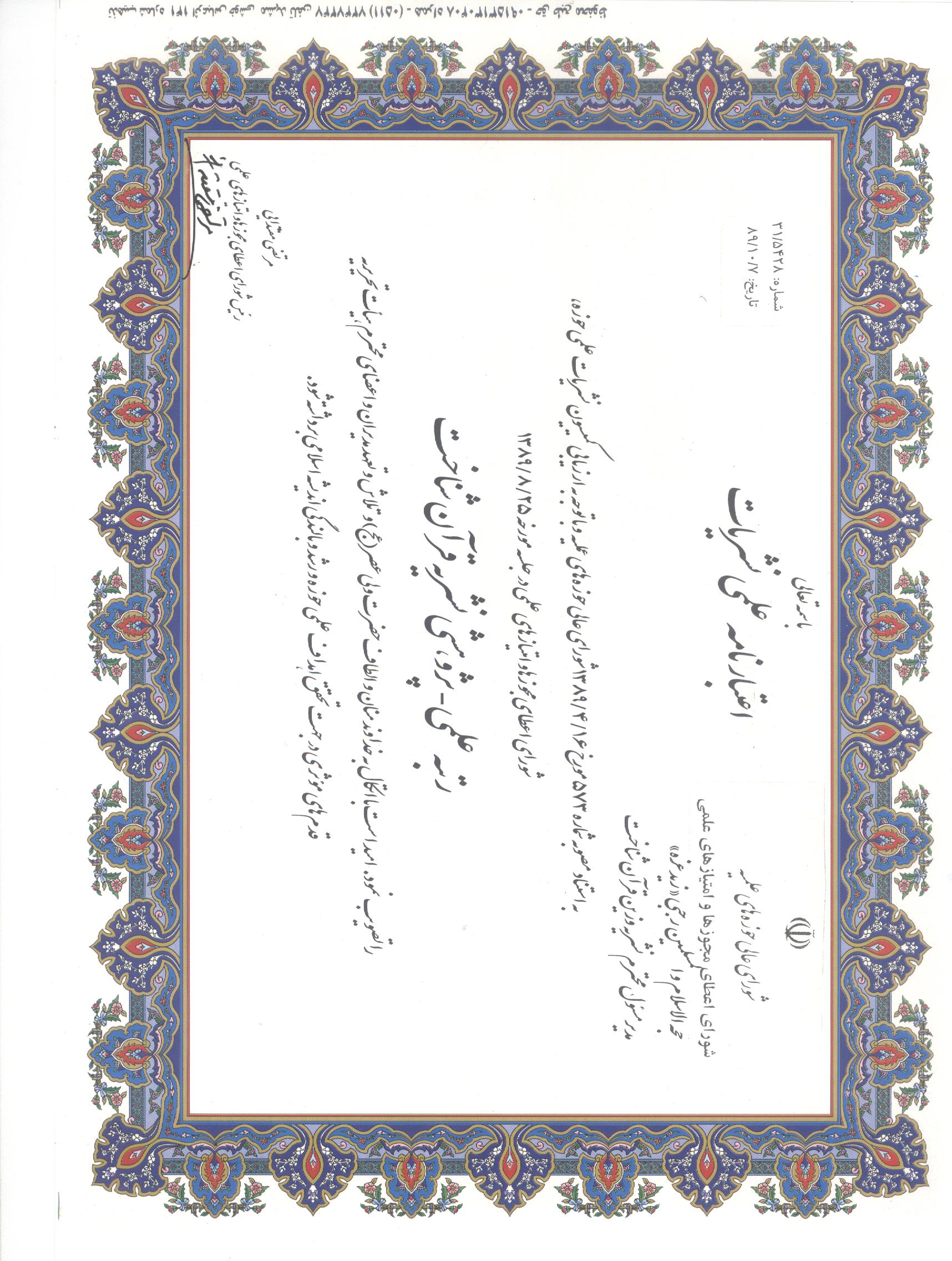
Volume 15, Issue 1, No 28, Year 2022, Pages 95-112
The Semantics of the Qur'anic Phrase "those who…do not Turn a Deaf Ear and a Blind Eye to them" with an Emphasis on the Semantics and Rhetorical Purpose of the Preposition of 'ala
Article Type:
Research
Writers:
Mohaddeseh  / Assistant Professor, Department of Qur'anic and Hadith Sciences, Hazrat Narjes University, Valiasr University, Rafsanjan, Iran / m.moghiminejad@yahoo.com
/ Assistant Professor, Department of Qur'anic and Hadith Sciences, Hazrat Narjes University, Valiasr University, Rafsanjan, Iran / m.moghiminejad@yahoo.comAbstract:
Reporting one of the characteristics of the servants of the Most Merciful ('eibad al-rahman) in the context of other verses, the phrase "those who…do not turn a deaf ear and a blind eye to them", verse 73 of Chapter al-Furqan says, they do not turn a deaf ear and a blind eye to God's revelations. According to the fact that falling on divine verses does not have a clear meaning; this paper has analyzed the meaning and rhetorical purpose of the phrase "do not turn" and criticized the opinions of the commentators in this field with a descriptive-analytical method. Also, considering the key role of prepositions in giving meaning to verses, the meaning and rhetorical purposes of the preposition 'ala have been investigated. The result shows that the verb "do not turn" has a sarcastic usage and is used in the concept of acceptance and coping. The preposition of 'ala is also used in the meaning of "purpose lām prefix" and the honorable verse indicates the conscious approach of God's righteous servants to God's revelations
چکیده و کلیدواژه فارسی (Persian)
Title :معناشناسی عبارت «لَمْ یَخِرُّوا عَلَیْها صمّاً و عمیاناً» با تأکید بر مفهومشناسی و غرضشناسی حرف جرّ «علی»
Abstract:
عبارت «لَمْ یَخِرُّوا عَلَیْها صمّا و عمیاناً» در آیه 73 سورهی «فرقان» در سیاق آیات بیانگر صفات عباد الرحمن، یکی از خصوصیات آنان را این گونه گزارش می کند: «کر و کور بر آیات الهی نمی افتند». نظر به اینکه فروافتادن بر آیات الهی معنای روشنی ندارد، پژوهش حاضر با روش توصیفی ـ تحلیلی مفهوم و غرض بلاغی فعل «َلمْ یَخِرُّوا» در این عبارت و نقد آراء مفسران در این زمینه را واکاوی کرده است. همچنین نظر به نقش کلیدی حروف جرّ در معنابخشی به آیات، مفهوم و اغراض بلاغی حرف جرّ «علی» بررسی شده است. نتیجه بررسی حاکی از آن است که فعل «لم یخرّوا» کاربردی کنایی دارد و در مفهوم «پذیرش و روی آوری» به کار رفته است. حرف جر «علی» نیز در معنای «لام تعلیل» به کار رفته و آیه شریفه حاکی از روی آوری آگاهانه بندگان صالح الهی به آیات خداوند است.
References:
- ابن ابىحاتم، عبدالرحمنبن محمد، 1419ق، تفسير القرآن العظيم، چ سوم، رياض، مكتبة نزار مصطفي.
- ابنجزى، محمدبن احمد، 1416ق، التسهيل لعلوم التنزيل، بيروت، شركة دار الأرقمبن أبيالأرقم.
- ابنجوزى، عبدالرحمنبن على، 1422ق، زاد المسير فى علم التفسير، بيروت، دار الكتاب العربي.
- ابنسيده، عليبن اسماعيل، 1421ق، المحكم و المحيط الأعظم، بيروت، دارالکتب العلميه.
- ابنعاشور، محمدطاهر، 1420ق، تفسير التحرير و التنوير المعروف بتفسير ابنعاشور، بيروت، مؤسسة التاريخ العربي.
- ابنعربى، محمدبن عبدالله، 1408ق، احكام القرآن، بيروت، دار الجيل.
- ابنقتيبه، عبداللهبن مسلم، 1411ق، تفسير غريب القرآن، بيروت، دار و مكتبة الهلال.
- ابنمنظور، محمدبن مكرم، 1414ق، لسان العرب، تحقيق علي شيري، بيروت، دار احياء التراث العربي.
- ابوزهره، محمد، بيتا، زهرة التفاسير، بيروت، دارالفكر.
- اصغري، بهنوش، 1388، حروف جرّ در قرآن کريم با رويکرد نحوي ـ بلاغي، رسالة دكتري، گروه زبان و ادبيات عربي، تهران، دانشگاه تربيت مدرس.
- برقى، احمدبن محمدبن خالد، 1371ق، المحاسن، چ دوم، قم، دار الكتب الاسلاميه.
- بشتي، طيب بشنه، 2008م، «قضيه النيابة بين حروف الجر و موقفالنحاة منها»، اللسان العربي، ش 61، ص 151- 157.
- بقاعى، ابراهيمبن عمر، 1427ق، نظم الدرر فى تناسب الآيات و السور، چ سوم، بيروت، دار الكتب العلميه.
- بيضاوي، عبداللهبن عمر، 1418ق، انوار التنزيل و أسرار التأويل، بيروت، دار احياء التراث العربي.
- ثعالبى، عبدالرحمنبن محمد، 1418ق، تفسير الثعالبى المسمى بالجواهر الحسان فى تفسير القرآن، بیروت، دار احياء التراث العربي.
- ثعلبى، احمدبن محمد، 1422ق، الكشف و البيان المعروف تفسير الثعلبي، بيروت، دار احياء التراث العربي.
- جاسم سلمان، علي، 2003م، موسوعة معاني الحروف العربي، اردن ، دار اسامة النشر و التوزيع.
- حسيني زبيدي، محمد، 1414ق، تاج العروس من جواهر القاموس، بيروت، دارالفکر.
- خضری، محمدامین، 1989م، من اسرار حروف الجر فی الذکر الحکیم، قاهره، مکتبه وهبه.
- راغب اصفهانى، حسينبن محمد، 1412ق، مفردات الفاظ القرآن، بيروت، دارالشاميه.
- رماني، عليبن عيسي، بيتا، معاني الحروف، تحقيق عرفانبن سليم العشا، بيروت، المکتبة العصريه.
- زرکوب، منصوره و ديگران، 1389، «تمثيل در امثال فارسي و عربي»، پژوهشهاي ادب عرفاني (گوهر گويا)، ش 3، ص 109 – 136.
- زمخشرى، محمودبن عمر، 1407ق، الكشاف عن حقائق غوامض التنزيل و عيون الأقاويل فى وجوه التأويل، چ سوم، بيروت، دارالكتاب العربي.
- سامرائي، فاضل صالح، 2000م، معاني النحو، عمان، دارالفکر للطباعة و النشر و التوزيع.
- سعدى، عبدالرحمن، 1408ق، تيسير الكريم الرحمن في تفيسر كلام المنان، چ دوم، بيروت، مكتبة النهضة العربيه.
- سلمى، محمدبن حسين، 1369، حقائق التفسير، تهران، مركز نشر دانشگاهي.
- سمرقندى، نصربن محمد، 1416ق، تفسير السمرقندى المسمى بحرالعلوم، بيروت، دارالفكر.
- سيواسى، احمدبن محمود، 1427ق، عيون التفاسير، بیروت، دار صادر.
- سيوطى، عبدالرحمن، 1404ق، الدر المنثور فى التفسير بالماثور، قم، كتابخانه آيتالله مرعشى نجفي.
- ـــــ ، 2001 م، الإتقان في علوم القرآن، چ دوم، بيروت، دار الكتاب العربى.
- شيبانى، محمدبن حسن،1413ق، نهج البيان عن كشف معانى القرآن، قم، الهادي.
- صدوق، محمدبن علي، 1404ق، الإمامة و التبصرة من الحيرة، قم، مدرسة الامام المهدى.
- صفايي، غلامعلي، 1378، ترجمه و شرح مغني الاديب، قم، قدس.
- طباطبائي، سيدمحمدحسين، 1390ق، الميزان في تفسير القرآن، بيروت، مؤسسة الاعلمي للمطبوعات.
- طبرانى، سليمانبن احمد، 2008م، التفسير الكبير: تفسير القرآن العظيم، اردن، دار الكتاب الثقافي.
- طبرسى، فضلبن حسن، 1372، مجمع البيان في تفسير القرآن، چ سوم، تهران، ناصر خسرو.
- طبرى، محمدبن جرير، 1412ق، جامع البيان فى تفسير القرآن، بيروت، دار المعرفه.
- طريحى، فخرالدينبن محمد، 1375، مجمع البحرين، تهران، مرتضوی.
- طوسى، محمدبن حسن، 1411ق، مصباح المتهجد و سلاح المتعبد، بيروت، مؤسسة فقه الشيعه.
- ـــــ ، بيتا، التبيان في تفسير القرآن، بيروت، دار احياء التراث العربي.
- فراء، يحيىبن زياد، 1980م، معانى القرآن، چ دوم، قاهره، الهيئة المصرية العامة للكتاب.
- فيروزآبادي، مجدالدين محمدبن يعقوب، 1413ق، قاموس المحيط، بيروت، دارالجيل.
- قرطبى، محمدبن احمد، 1364، الجامع لأحكام القرآن، تهران، ناصر خسرو.
- كاشانى، فتحالله، 1423ق، زبدة التفاسير، قم، مؤسسة المعارف الاسلاميه.
- كلينى، محمدبن يعقوب، 1407ق، الكافي، چ چهارم، تهران، دار الكتب الاسلاميه.
- مجلسي، محمدباقر، 1403ق، بحارالانوار، چ دوم، بيروت، دار احياء التراث العربي.
- مدني، عليخانبن احمد، ۱۴۲۶ق، الطراز الاول و الکناز لما عليه من لغة العرب المعول، قم، مؤسسة آلالبيت لاحياء التراث.
- مرادی، حسنبن قاسم، 1992م، الجنی الدانی فی حروف المعانی، بیروت: دارالکتب العلمیه.
- مصباح يزدي، محمدتقي، 1433ق، «وصايا العلماء صفات عباد الرحمن لم يخرّوا عليها صمّ و عميانا»، بقية الله، ش 245، ص 21- 26.
- مقاتلبن سليمان، 1423ق، تفسير مقاتلبن سليمان، بيروت، دار احياء التراث العربي.
- مكىبن حموش، 1429ق، الهداية إلى بلوغ النهاية، امارات، كلية الدراسات العليا و البحث العلمي.
- ممدوح ابوزيد، نايل، 2006م، «آيات صفات عباد الرحمن في سورة الفرقان، دراسة بلاغية»، دراسات، علوم الشريعة و القانون، ش 2، ص 455- 476.
- ميبدى، احمدبن محمد، 1371، كشف الاسرار و عدة الابرار، تهران، اميركبير.
- نظام الاعرج، حسنبن محمد، 1416ق، تفسير غرائب القرآن و رغائب الفرقان، بيروت، دار الكتب العلميه.
- نورمحمدي، اکرم، 1399، هم معنايي و چند معنايي حروف جرّ در قرآن کريم، پاياننامه کارشناسي ارشد، گروه آموزشي زبان و ادبيات عربي، مشهد، دانشگاه فردوسي مشهد.
- نيشابورى، محمودبن ابوالحسن، 1415ق، ايجاز البيان عن معاني القرآن، بيروت، دارالغرب الاسلامي.
- واحدى، علىبن احمد، 1415ق، الوجيز فى تفسير الكتاب العزيز، بيروت، دارالقلم.
- هاشمي، احمد، 1998م، جواهر البلاغة في المعاني و البيان و البديع، چ دوم، قم، نويد اسلام.
- هاشمي، علی، بیتا، «بررسي مباني نحویون پيرامون حروف جر و نيابت حروف از يکديگر و تضمين»، در: tt-ej.ir.
Copyright © 2022 The Author(s). This article is published under the Creative Commons Attribution-NonCommercial 4.0 International License.
Cite this article:
RIS
Mendeley
BibTeX
APA
MLA
HARVARD
VANCOUVER
, Mohaddeseh. (2022) The Semantics of the Qur'anic Phrase "those who…do not Turn a Deaf Ear and a Blind Eye to them" with an Emphasis on the Semantics and Rhetorical Purpose of the Preposition of 'ala. , 15(1), 95-112
Mohaddeseh ."The Semantics of the Qur'anic Phrase "those who…do not Turn a Deaf Ear and a Blind Eye to them" with an Emphasis on the Semantics and Rhetorical Purpose of the Preposition of 'ala". , 15, 1, 2022, 95-112
, M.(2022) 'The Semantics of the Qur'anic Phrase "those who…do not Turn a Deaf Ear and a Blind Eye to them" with an Emphasis on the Semantics and Rhetorical Purpose of the Preposition of 'ala', , 15(1), pp. 95-112