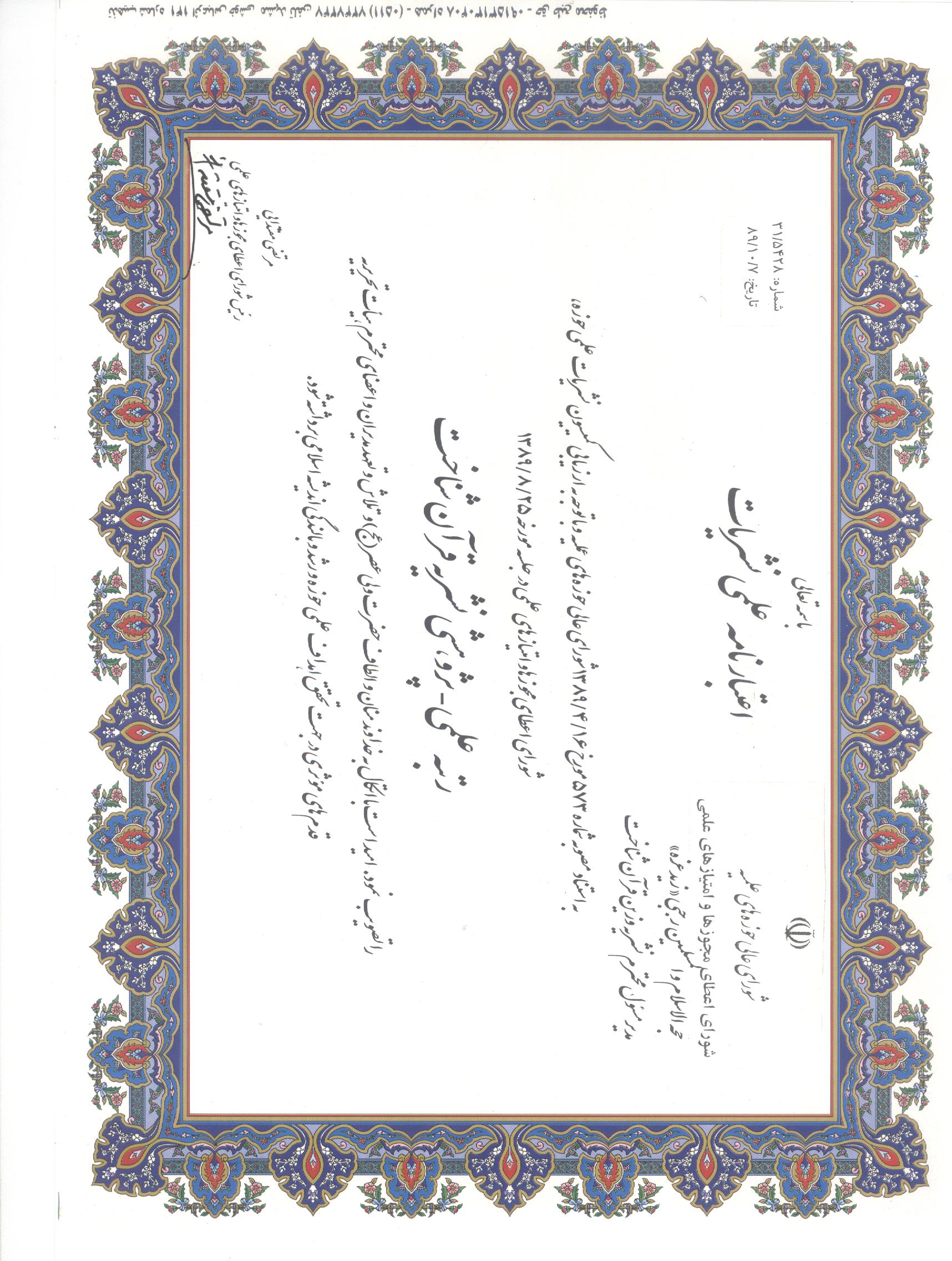
ًQur'an Shinakht, Volume 18, Issue 1, No 34, Year 2025, Pages 209-227
Rhetorical Consequences of Non-Reflection of the "Addressee Kāf" in Demonstrative Pronouns (Asmāʾ al-Ishāra) in Quranic Exegesis and Translations
Article Type:
Research
Writers:
✍️ Hamid Naderi Qahfarokhi / Assistant Professor, Department of Islamic Studies, Shahrekord State University, Chaharmahal and Bakhtiari, Iran / Hamid.naderi@sku.ac.ir
/ Assistant Professor, Department of Islamic Studies, Shahrekord State University, Chaharmahal and Bakhtiari, Iran / Hamid.naderi@sku.ac.ir 10.22034/qoranshenakht.2026.5003830⏳
Abstract:
The rule of "non-translation of the addressee kāf in demonstrative pronouns" (asmāʾ al-ishāra) is among the established principles in Quran translation. The practice of exegetes likewise indicates that they do not consider themselves bound to reflect the signification of this kāf. This is while the rhetorical device of iltifāt (grammatical shift) is extensively employed in the Quran, such that in several consecutive verses, multiple forms of address may appear. Thus, "the necessity of precise exegesis and translation of the Holy Quran" underscores the imperative of "examining the consequences of failing to reflect the addressee kāf in exegesis and translation." Employing an analytical-critical method, this study demonstrates that the application of iltifāt in the Quranic verses produces a dynamic text wherein God is continuously in communication with His audience. Consequently, the established practice of exegetes and adherence to the aforementioned rule not only diminishes the referential and semantic functions of demonstrative pronouns but also, in most cases, fails to attend to the device of iltifāt; as a result, the exegesis and translation produced lack the dynamism of the Quranic text itself. Therefore, to reflect this rhetorical signification in translation, it is proposed that in verses containing the "addressee kāf," written markers such as parentheses or brackets be employed to clarify the addressee for the reader.
چکیده و کلیدواژه فارسی (Persian)
Title :پیامدهای بلاغیِ عدم انعکاس «کافِ خطاب در اسماء اشاره» در تفسیر و ترجمههای قرآن
Abstract:
قاعدۀ «عدم ترجمۀ کافِ خطاب در اسماء اشاره» از اصول شناختهشده در ترجمۀ قرآن است. سیرۀ مفسران نیز نشان میدهد که خود را ملزم به انعکاس مدلول این کاف نمیدانند. این در حالیاست که در قرآن صنعت بلاغیِ «التفات» کاربرد گستردهای دارد؛ بهگونهایکه در چند آیة کنار هم ممکن است چند نوع خطاب متفاوت آمده باشد. بنابراین «لزوم تفسیر و ترجمۀ دقیق قرآن کریم» ضرورت «بررسی پیامدهای عدم انعکاس کاف خطاب در تفسیر و ترجمه» را روشن میکند. این نوشتار با روش «تحلیلی ـ انتقادی» نشان داد که بهکارگیری صنعت التفات در آیات قرآن باعث پدید آمدن متنی پویا میشود که خداوند پیوسته با مخاطب خود در ارتباط است. ازاینرو سیرۀ مفسران و رعایت قاعدة یادشده، نهتنها موجب کمرنگ شدن کارکردهای ارجاعی و معنایی اسماء اشاره میشود، بلکه در غالب موارد توجهی به صنعت التفات نمیکند؛ در نتیجه، تفسیر و ترجمهای ارائه میدهد که همانند متن قرآن پویا نیست. بنابراین برای انعکاس این دلالت بلاغی در ترجمه، پیشنهاد میشود که در آیات دارای «کافِ خطاب» از نشانههای نوشتاری، مانند پرانتز یا قلاب استفاده شود تا مخاطب برای خواننده روشن گردد.
References:
- قرآن کریم. ترجمههای انصاریان، الهی قمشهای، برزی، بهرامپور، پورجوادی، حجتی، خسروی، دهلوی، رضایی اصفهانی، عاملی، فارسی، فولادوند، کاویانپور، گرمارودی، مترجم ناشناس قرن دهم، مشکینی و مکارم شیرازی.
- آقایی، مهرداد و عباسزاده، فاضل (1401). کاربست صنعت التفات در سوره أنبیاء. مطالعات قرآنی، 13(51)، ص156ـ174.
- آلوسی، محمود (1415ق). روح المعانی فی تفسیر القرآن العظیم. بیروت: دار الکتب العلمیه.
- ابنعاشور، محمد (بیتا). التحریر و التنویر. بیروت: موسسة التاریخ.
- ابوالسعود، محمد (بیتا). ارشاد العقل السلیم الى مزایا القرآن الکریم. بیروت: دار احیاء التراث العربی.
- ابوالفتوح رازی، حسینبنعلی (1408ق). روض الجنان و روح الجنان فی تفسیر القرآن. مشهد: بنیاد پژوهشهای اسلامی آستان قدس رضوی.
- امانی، رضا و فرهادی، امالبنین (1396). ساختار التفات و جنبههای هنری ـ معنایی آن در قرآن (پژوهشی در سطح صیغههای ضمایر). مطالعات سبکشناختی قرآن کریم، 1(1)، ص55ـ68.
- بهجتپور، عبدالکریم (1390). همگام با وحی. قم: مؤسسة تمهید.
- بیضاوی، عبدالله (1418ق). أنوار التنزیل وأسرار التأویل. بیروت: دار احیاء التراث العربی.
- تفتازانی، سعدالدین (بیتا). مختصر المعانی. قم: دار الفکر.
- جواهری، محمدحسن (1393). روششناسی ترجمة قرآن کریم. قم: پژوهشگاه حوزه و دانشگاه.
- حاجیخانی، علی و امانیپور، مونا (1393). فن التفات و نقد و بررسی آن در ترجمههای معاصر قرآن کریم. مطالعات ترجمة قرآن و حدیث، 1(2)، ص25ـ56.
- حجت، هادی (1385). درسنامة ترجمة قرآن کریم. قم: دار الحدیث.
- حرّی، ابوالفضل (1390). بررسی شگرد قرآنی التفات در پرتو ساختار اطلاعات گفتمان. پژوهشهای زبان و ادبیات تطبیقی، 2(8)، ص17ـ39.
- ذوالفقاری، حسن و همکاران (1382ـ1383). زبان و ادبیات فارسی. تهران: چشمه.
- ذهبی، محمدحسین (بیتا). التفسیر والمفسرون. بیروت: دار احیاء التراث العربی.
- رحمانی، مجتبی (1403). میزان تأثیر قاعدة «التفات» در معناسازی تفسیر قرآن. آرایههای ادبی قرآن، 1(3)، ص137ـ164.
- رضایی اصفهانی، محمدعلی (1386). منطق ترجمة قرآن. قم: انتشارات مرکز جهانی علوم اسلامی.
- زرکشی، بدرالدین (1957م). البرهان فی علوم القرآن. قاهره: دار احیاء الکتب العربیه.
- زمخشری، محمود (1407ق). الکشاف عن حقائق عوامض القرآن. بیروت: دار الکتب العربی.
- سکاکی، ابویعقوب (1987م). مفتاح العلوم. بیروت: دار الکتب العلمیه.
- سیوطی، جلالالدین (1974م). الإتقان فی علوم القرآن. قاهره: الهیئة المصریة العامة للکتاب.
- طباطبائی، سیدمحمدحسین (1417ق). المیزان فی تفسیر القرآن. تهران: دار الکتب الاسلامیه.
- طبرسی، فضلبنحسن (1372). مجمع البیان فی تفسیر القرآن. تهران: ناصرخسرو.
- طوسی، محمدبنحسن (بیتا). التبیان فی تفسیر القرآن. بیروت: دار احیاء التراث العربی.
- عبدالحلیم، محمد و حرّی، ابوالفضل (1391). کاربردها و کارکردهای شگرد التفات در قرآن. پژوهشهای قرآنی، 18(70)، ص54ـ81.
- علوی، یحیی (1423ق). الطراز لأسرار البلاغة وعلوم حقائق الإعجاز. بیروت: المکتبة العنصریة.
- فخر رازی، عمر (1420ق). مفاتیح الغیب. بیروت: دار احیاء التراث العربی.
- کریمینیا، مرتضی (1376). چه را ترجمه نکنیم؟ چرا؟. ترجمان وحی، 1(2)، 26ـ39.
- کلباسی، زهرا و احمدنژاد، امیر (1397). قاعدة تفسیری عمومیت خطابهای مفرد قرآن. پژوهشهای قرآنی، 23(86)، ص128ـ149.
- مسرور، خدیجه و مصلاییپور، عباس (1399). حرف «کاف» خطاب در اسماء اشاره و مطابقت آن با مخاطب در قرآن. کتاب قیّم، 10(23)، ص105ـ122.
- معرفت، محمدهادی (1381). تاریخ قرآن. تهران: سمت.
- معرفت، محمدهادی (1997م). التفسیر و المفسرون. مشهد: الجامعة الرضویة.
- مکارم شیرازی، ناصر و همکاران (1374). تفسیر نمونه. تهران: دار الکتب الاسلامیه.
- نادری قهفرخی، حمید (1403). بازخوانی دیدگاه مفسران پیرامون گوینده و ضمیر فاعلی آیة «ذَلِکَ لِیَعْلَمَ أَنِّی لَمْ أَخُنْهُ بِالْغَیْب...». کتاب قیّم، 14(31)، ص63ـ82.
- نسفی، عبدالله (1416ق). مدار ک التنزیل وحقایق التاویل. بیروت: دار النفائس.
- هاشمی، احمد (بیتا). جواهر البلاغة فی المعانی والبیان والبدیع. قم: بینا.
References:
- Mir, M (2006). Language. In: the Blackwell Companion to the Quran. Ed. By Andrew Rippin. Oxford: Blackwell.
Copyright © 2025 The Author(s). This article is published under the Creative Commons Attribution-NonCommercial 4.0 International License.
Cite this article:
RIS
Mendeley
BibTeX
APA
MLA
HARVARD
VANCOUVER
Naderi Qahfarokhi, Hamid. (2025) Rhetorical Consequences of Non-Reflection of the "Addressee Kāf" in Demonstrative Pronouns (Asmāʾ al-Ishāra) in Quranic Exegesis and Translations. ًQur'an Shinakht, 18(1), 209-227 https://doi.org/10.22034/qoranshenakht.2026.5003830.
Hamid Naderi Qahfarokhi."Rhetorical Consequences of Non-Reflection of the "Addressee Kāf" in Demonstrative Pronouns (Asmāʾ al-Ishāra) in Quranic Exegesis and Translations". ًQur'an Shinakht, 18, 1, 2025, 209-227
Naderi Qahfarokhi, H.(2025) 'Rhetorical Consequences of Non-Reflection of the "Addressee Kāf" in Demonstrative Pronouns (Asmāʾ al-Ishāra) in Quranic Exegesis and Translations', ًQur'an Shinakht, 18(1), pp. 209-227